

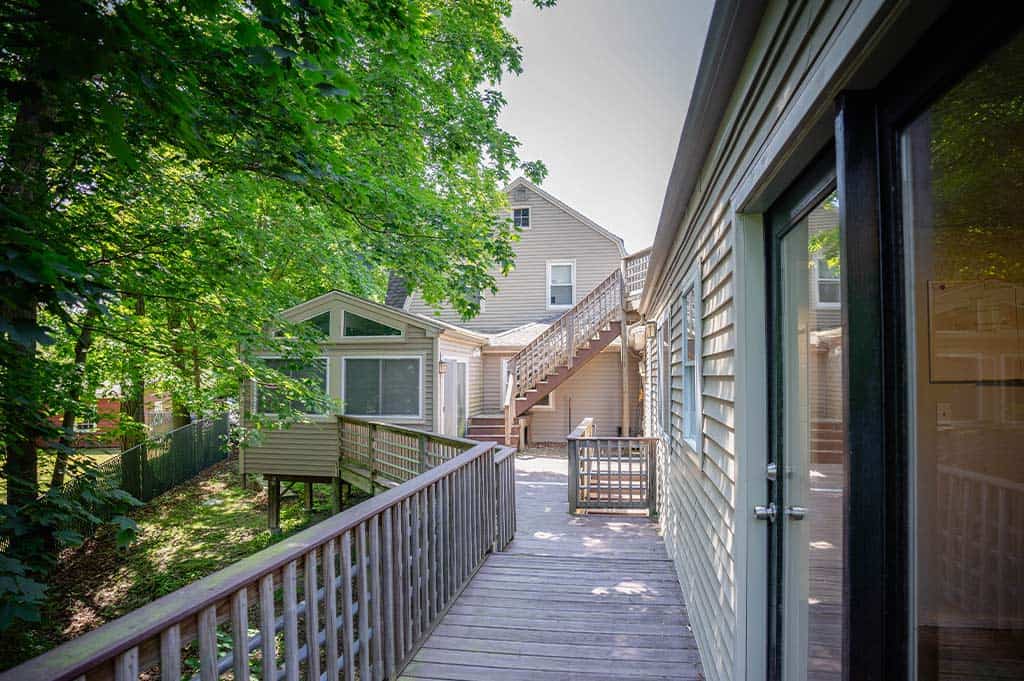

Massachusetts has hundreds of sober houses, and they are not all the same. Some are certified, structured, and run by people who take recovery seriously. Others are little more than rented rooms with a sign out front. The difference matters, because where you live in early recovery can matter as much as where you got treatment.
The short version: verify certification, ask hard questions about structure and rules, visit before you commit, get the full cost picture in writing, and trust what you see on the tour. This guide walks through each step.
Who Should Consider a Sober House?
Sober living is the bridge between treatment and full independence. It tends to be the right move if:
- You’ve finished detox, residential treatment, or an outpatient program and aren’t ready to live fully on your own.
- Your current living situation involves people who use, or it triggers the patterns you just worked to break.
- You’re leaving an unsafe home or an abusive relationship and need somewhere stable.
- You want structure and accountability while you get back to work, school, or family responsibilities.
- You’re doing well but want a community of people with the same goal around you.
Sober living isn’t only for people with nowhere else to go. Plenty of residents have other options; they choose a sober house because the structure protects their progress. If you’re still deciding whether sober living fits at all, start with our guide to what sober living is.
Step 1: Verify Certification
Massachusetts has a voluntary certification system for sober homes. The Massachusetts Alliance for Sober Housing (MASH) certifies homes against state standards for safety, operations, and resident rights, working alongside the Department of Public Health’s Bureau of Substance Addiction Services.
Certification is voluntary, which means uncertified homes can operate legally. But a home that has chosen to be inspected and held to standards is telling you something. Ask every home you consider whether it is MASH-certified, and check the MASH directory yourself.
Step 2: Ask About Structure and Rules
Good sober houses have clear, enforced expectations. When you ask about rules, you’re listening for specifics, not vibes:
- Testing: How often is drug and alcohol testing done? Is it random?
- Meetings: Are 12-step or house meetings required? How often? Many homes, including ours, expect residents to find a sponsor and home group within their first weeks.
- Curfew and chores: What are they, and what happens when someone breaks them?
- Consequences: Ask directly what the repercussions for rule-breaking are, and whether you agree with them. A home with no real consequences isn’t protecting your sobriety.
- Work expectation: Most homes expect residents to work, attend treatment, or actively look for work during the day.
One honest note about highly structured homes: a packed daily schedule protects against triggers, but it also leaves less room to rebuild your life, find work, and handle obligations. Match the level of structure to what you actually need right now.
Step 3: Visit, and Watch for Red Flags
Never commit to a sober house you haven’t seen. On the tour:
- Trust your first impression. A clean, well-maintained home usually reflects how the whole operation is run.
- Talk to current residents. Do they seem engaged and glad to be there? Residents will tell you things a brochure won’t.
- Watch staff and residents interact. Respect and familiarity are good signs; tension and absence are not.
- Red flags: no visible structure or rules, poorly kept common areas, vague answers about testing or consequences, and pressure to sign quickly. A “luxury” label means nothing by itself; some high-end-branded homes are the least structured of all.
Step 4: Get the Full Cost Picture
Most Massachusetts sober homes charge weekly rent, and most are privately funded, which means insurance generally does not cover it (insurance covers treatment; rent is housing). Before signing, get clear answers on what rent includes, whether there are application fees or deposits, and what happens if you hit a hard month.
Rockland Recovery’s homes are $275 per week at every location, with utilities, wifi, laundry, and furnishings included, and no application fee or deposit. For the full breakdown of typical prices, what’s included, and who actually pays, see our guide to sober living costs.
Step 5: Make Sure the Home Fits Your Life
- Location: Can you get to work, school, treatment, and meetings from the house? A great home in the wrong town fails you logistically.
- Gender: Massachusetts sober homes are typically single-gender. Ours run separate women’s homes and men’s homes.
- Ongoing treatment: If you’re in an outpatient program, confirm the house supports it. Our residents keep seeing their therapists and sponsors, and many attend our IOP or PHP during their stay.
- Intake requirements: Expect an application, background screening, and a drug and alcohol test at intake. That screening protects you; it means everyone in the house passed it too.
Sober House vs. Halfway House: Know What You’re Comparing
The terms get used interchangeably, but they’re different. Sober houses are private, voluntary, and open-ended; halfway houses are typically state-funded, time-limited, and often connected to the courts or corrections. If you’re choosing a place to live after treatment, you’re almost certainly choosing among sober houses. The full comparison is in our guide to sober living vs. halfway houses.
What to Bring When You Move In
Once you’ve chosen a home, packing is simpler than most people expect:
| Bring | Leave at home |
|---|---|
| About a week of clothing | Furniture and bedding (rooms come furnished, linens provided) |
| Toiletries and hygiene products (alcohol-free) | Anything containing alcohol, including mouthwash and hand sanitizer |
| Phone, laptop, chargers | Cooking equipment (kitchens are stocked) |
| Money for transportation | Weapons of any kind |
| Snacks and non-alcoholic drinks | Irreplaceable valuables (residents are responsible for their own) |
What Life in a Good Sober House Looks Like
Most residents stay at least 90 days, and many stay six months to a year. Days are full: work or treatment, house responsibilities, 12-step meetings, weekly sponsor check-ins, and house meetings. Homes like ours come furnished with single, double, or triple rooms, on-site house managers, full kitchens, laundry, and wifi, so the logistics stay simple while you do the real work.
When you’re ready to move on, a good home helps you transition: a support network that outlasts your stay, stable housing lined up, a relapse prevention plan, and routines that come with you. Our alumni program keeps that community connection going after you leave.
Massachusetts Sober House Resources
A few official resources make vetting homes much easier:
- MASH certified residence directory — the statewide list of sober homes certified by the Massachusetts Alliance for Sober Housing. If a home told you it’s certified, verify it here.
- Massachusetts Recovery Housing Program — the state’s overview of recovery housing, including funding-related programs.
- Massachusetts Substance Use Helpline — call 800-327-5050 or visit helplinema.org for free, confidential help finding treatment and recovery housing anywhere in the state.
Use the directory to build your shortlist, then apply the steps above to choose among them.
Why People Choose Rockland Recovery’s Sober Homes
We run sober living homes in Quincy, Milton, Rockland, and Dorchester, all on the South Shore, all $275 per week, all connected to a Joint Commission-accredited treatment program. On-site house managers, structured expectations, single-gender homes, and a direct line to our sober living program and outpatient care. You don’t need to have done treatment with us to apply.
Call 855-732-4842 to ask about bed availability, or verify your insurance if you’ll be in treatment during your stay.
Frequently Asked Questions
How long can you stay in a sober living home?
As long as you follow the house rules and pay rent. Most people stay at least 90 days, and six months to a year is common. There’s no discharge date; you leave when your recovery and finances are stable.
Do you have to complete rehab before moving into a sober house?
Most homes want residents to be past detox and stable in sobriety, and many residents arrive from treatment. At Rockland Recovery, you don’t need to have completed treatment with us to live in one of our homes.
Can you work while living in a sober house?
Yes, and it’s expected. The schedule is built around work, school, or treatment during the day, and working is how most residents pay their own rent.
Are sober houses regulated in Massachusetts?
Certification is voluntary. MASH certifies homes against state standards under the Department of Public Health’s oversight framework. Always ask whether a home is certified, and verify it in the MASH directory.
What questions should I ask on a tour?
How often do you test? What are the consequences for breaking rules? What does rent include, in writing? Can I talk to a current resident? Is the home MASH-certified? A good operator answers all five without hesitation.
This article is for general education and is not medical advice. If you are experiencing a medical emergency, call 911. If you are in crisis, call or text 988.