

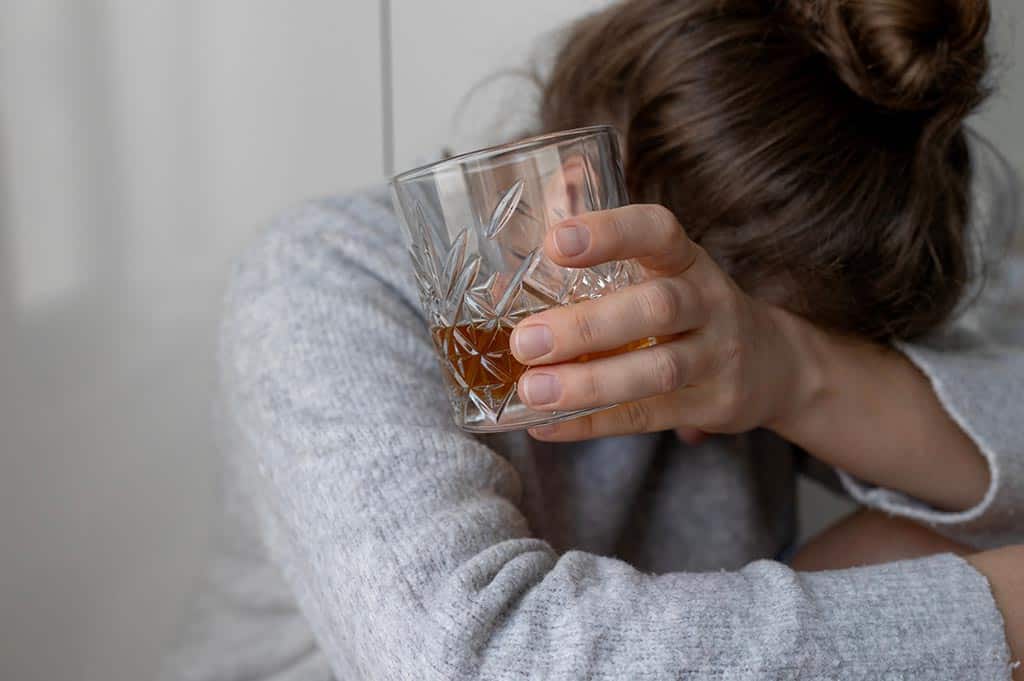

Quick answer: Hangxiety is anxiety, dread or guilt the day after drinking, caused in part by your brain rebounding as alcohol wears off. It usually fades within a day or so. Anxiety that lasts longer, returns whenever you stop drinking, or that you treat with another drink can signal withdrawal, an anxiety disorder, or alcohol use disorder.
You wake up after a night out and your chest is already tight. You replay every conversation and check your phone with a knot in your stomach. If that sounds familiar, you are dealing with hangxiety, and you are far from alone. Usually it passes. Sometimes it is telling you something worth hearing.
What is hangxiety?
Hangxiety is the popular name for anxiety that shows up as alcohol leaves your body. The National Institute on Alcohol Abuse and Alcoholism (NIAAA) mentions the term in its guidance for clinicians, noting that anxiety-like symptoms “can occur after a single heavy drinking episode” even in people without an anxiety disorder (NIAAA). You can feel physically fine and still feel emotionally wrecked.
What does hangxiety feel like?
- Dread or a sense of doom with no clear cause
- Guilt or worry about what you said or did
- Racing thoughts and poor concentration
- A fast heartbeat, sweating or mild shakiness
- Feeling wired and exhausted at the same time
Why do I feel anxious after drinking?
Alcohol boosts GABA, the brain chemical that slows things down, and dampens glutamate, the one that revs things up. That is why the first drink can feel calming. Your brain pushes back by turning down its own brakes and pressing harder on the gas.
When the alcohol is gone, that compensation is still running, so your nervous system tilts toward alarm. NIAAA describes part of a hangover as a “mini-withdrawal” and says symptoms peak when blood alcohol returns to about zero (NIAAA, Hangovers). That is often right when you wake up.
NIAAA also lists fragmented sleep and mild dehydration as hangover causes, and the sweating and raised blood pressure that come with a hangover can feel a lot like fear. Memory gaps do the rest.
Why some people get it worse
In a 2019 study of 97 social drinkers (50 drank as usual, 47 stayed sober), highly shy people who drank showed a significant jump in anxiety the morning after drinking, and the size of that jump tracked with their scores on a standard alcohol use disorder screening test (Marsh et al., 2019). NIAAA adds that darker spirits such as bourbon, which carry more congeners, can make hangover symptoms worse.
How long does hangxiety last?
It is usually strongest the morning after and eases as your body finishes clearing alcohol, though NIAAA notes hangover symptoms can last 24 hours or longer. Our guide on how long alcohol stays in your system explains the clearing process.
Anxiety that stretches past a day, or appears every time you stop drinking, deserves a closer look.
Is hangxiety normal, or a sign of something else?
An occasional rough morning after a big night is normal. The real question is which of three things you are feeling: an ordinary rebound, early alcohol withdrawal, or an anxiety disorder that drinking has been covering up. NIAAA advises clinicians to sort this out by building a timeline of anxiety against periods of drinking and abstinence. Both hangover anxiety and early withdrawal start within hours, so watch the pattern over weeks.
| Sign | Typical hangxiety | Possible alcohol withdrawal | Possible anxiety disorder |
|---|---|---|---|
| When it starts | Morning after a heavy night | Usually within 8 hours of your last drink; more likely the more often you drink | Present on days and weeks you are not drinking |
| How long it lasts | Usually eases within about a day | Tends to peak at 24 to 72 hours; can worsen with each stop | Weeks or months |
| Physical signs | Headache, tiredness, mild jitters | Shaking hands, sweating, racing heart, insomnia | Muscle tension, restlessness, fatigue |
| What relieves it | Rest, food, fluids, time | Another drink (a warning sign) | Therapy or medication; a drink helps briefly, then worsens it |
| Pattern over time | Occasional, tied to heavy nights | More intense or more frequent | Came before the drinking, or drives it |
| Next step | Self-care and drinking less | Talk to a medical provider before cutting back | Assessment for anxiety and alcohol use together |
Say the morning anxiety used to follow only big weekends, and now it shows up on an ordinary Tuesday after three or four drinks. That shift from occasional to routine matters more than how bad any one morning feels.
When anxiety after drinking is actually withdrawal
MedlinePlus says symptoms tend to begin within 8 hours of the last drink and peak by 24 to 72 hours, with anxiety, shakiness, sweating and a rapid heart rate among the most common (MedlinePlus). Withdrawal is also one of the criteria clinicians use to diagnose alcohol use disorder (NIAAA, DSM-5 criteria). Watch for:
- Hands that shake in the morning and steady after a drink
- Drinking in the morning to calm your nerves
- Night sweats or a pounding heart on days without alcohol
- Withdrawal that feels worse each time you stop
That last one has a name: kindling. Repeated cycles of drinking and stopping can make each later withdrawal more severe (Becker, 1998). Our alcohol withdrawal timeline covers each stage.
Safety first: if you drink heavily every day, do not stop suddenly on your own, because withdrawal can cause seizures. Talk to a medical provider first. Rockland Recovery coordinates detox placement with accredited partner facilities in Massachusetts, followed by a planned handoff into our PHP or IOP.
When the anxiety was there before the drinking
Sometimes the anxiety came first and the drinking followed. NIAAA reports that among people treated for anxiety disorders, 20% to 40% also have alcohol use disorder. If you felt anxious long before you drank regularly, or the worry stays put during a dry month, alcohol may have been numbing an anxiety disorder. Treating both at once is what dual diagnosis treatment is for.
What happens if you drink to calm the anxiety?
It works, briefly. That is the trap. A drink quiets the morning, your brain learns that alcohol is the fix, and tomorrow’s rebound gets bigger.
A national NIAAA survey followed 34,653 U.S. adults over about three years. Among people who started with an anxiety disorder, those who self-medicated with alcohol or drugs had roughly 2.5 to 5 times higher odds of developing a new substance use disorder than those who did not (Robinson et al., 2011). With repeated cycles, NIAAA explains, the brain’s stress circuits become overactive during withdrawal, producing irritability and anxiety that drive the urge to drink again (NIAAA, Neuroscience). Drinking becomes less about feeling good and more about feeling normal. If that rings true, read our signs of alcohol dependency.
How do you get rid of hangxiety?
NIAAA is blunt: time is the only cure for a hangover. You can make the hours easier.
- Drink water. Alcohol blocks a hormone that tells your kidneys to hold on to fluid.
- Eat something gentle, like toast, eggs or soup.
- Skip “hair of the dog.” NIAAA says it can prolong the misery.
- Go easy on coffee. It will not cure a hangover, and extra caffeine can add jitters.
- Breathe slowly: in for 4, out for 6.
- Talk back to the shame. Your brain chemistry is exaggerating the threat today.
NIAAA warns that acetaminophen (Tylenol) plus alcohol can harm the liver. The only sure way to avoid a hangover is to drink little or nothing, so next time set a limit before you start.
Call 911 if someone who has been drinking is confused, has a seizure, cannot stay awake, keeps vomiting, or has slow or irregular breathing, all signs of alcohol overdose (NIAAA, Alcohol Overdose). In an emotional crisis, call or text 988.
When should you talk to someone about hangxiety?
- It happens most weeks, not a few times a year
- It lasts beyond a day, or follows only a couple of drinks
- You drink to take the edge off the morning
- You feel anxious on days you do not drink, too
- You have tried to cut back and could not
Any one of these is worth a conversation with a counselor or your doctor.
Getting help for anxiety and drinking in Massachusetts
At Rockland Recovery Treatment Center, we treat anxiety and alcohol use together. Our anxiety treatment works alongside our alcohol programs, and Vivitrol (extended-release naltrexone) can be part of the plan when your prescriber thinks it fits. Our evening IOP lets you keep working while you get care, and we also offer PHP, day IOP and virtual options in Braintree, Quincy, Sharon and Bedford.
Worried about someone you love? Call us too. Families are part of recovery.
Noticing a pattern early is good news. Contact our admissions team for a confidential conversation about what would help.
Frequently asked questions
Is hangxiety a sign of alcohol use disorder?
Not on its own. One anxious morning after a heavy night is common. It becomes a concern when it is frequent, when you drink to relieve it, or when shakiness and sweating show up whenever you stop.
Why do I have brain fog after drinking?
Fragmented sleep, mild dehydration and inflammation from alcohol all dull thinking the next day. The fog usually lifts within a day. Fog that lingers, or repeated memory gaps, is worth raising with a doctor.
Can I take anxiety medication for hangxiety?
Do not combine alcohol with sedating medications such as benzodiazepines or sleep aids unless your prescriber says it is safe, because together they can slow breathing. If you take anxiety medication and drink, tell your prescriber.
Is it safe to just stop drinking if I drink every day?
Not without medical advice. Stopping heavy daily drinking suddenly can cause seizures or delirium tremens. A medical provider can assess your risk and arrange supervised detox if you need it.
How can I help a family member who gets hangxiety a lot?
Choose a calm, sober moment, not the anxious morning. Describe what you have noticed without labels, offer to help them find an assessment, and look into family support for yourself.
This article is educational and not a substitute for medical advice. In a crisis, call or text 988. For a medical emergency, call 911.
Sources
- Mental Health Issues: AUD and Common Co-occurring Conditions, NIAAA, 2025
- Hangovers, NIAAA, 2025
- Neuroscience: The Brain in Addiction and Recovery, NIAAA, 2025
- Alcohol Use Disorder: A Comparison Between DSM-IV and DSM-5, NIAAA
- Alcohol Withdrawal, MedlinePlus, 2025
- Robinson J, et al. Role of Self-medication in the Development of Comorbid Anxiety and Substance Use Disorders, Archives of General Psychiatry, 2011
- Understanding the Dangers of Alcohol Overdose, NIAAA, 2025
- Becker HC. Kindling in Alcohol Withdrawal, Alcohol Health and Research World, 1998
- Marsh B, et al. Shyness, Alcohol Use Disorders and “Hangxiety”, Personality and Individual Differences, 2019