


Quick Answer
What are the symptoms of Adderall withdrawal? Common symptoms include extreme fatigue, depression and mood swings, trouble focusing, increased appetite, irritability, rebound anxiety, sleep problems, and strong cravings, often called the Adderall crash. They usually begin within a day of the last dose, peak over the first few days, and ease within one to two weeks, though low mood and cravings can linger longer.
Learn the signs of Adderall withdrawal symptoms, how long they last, and how to manage the process safely. Find support for quitting Adderall at Rockland Recovery in Braintree, MA.
What Is Adderall?
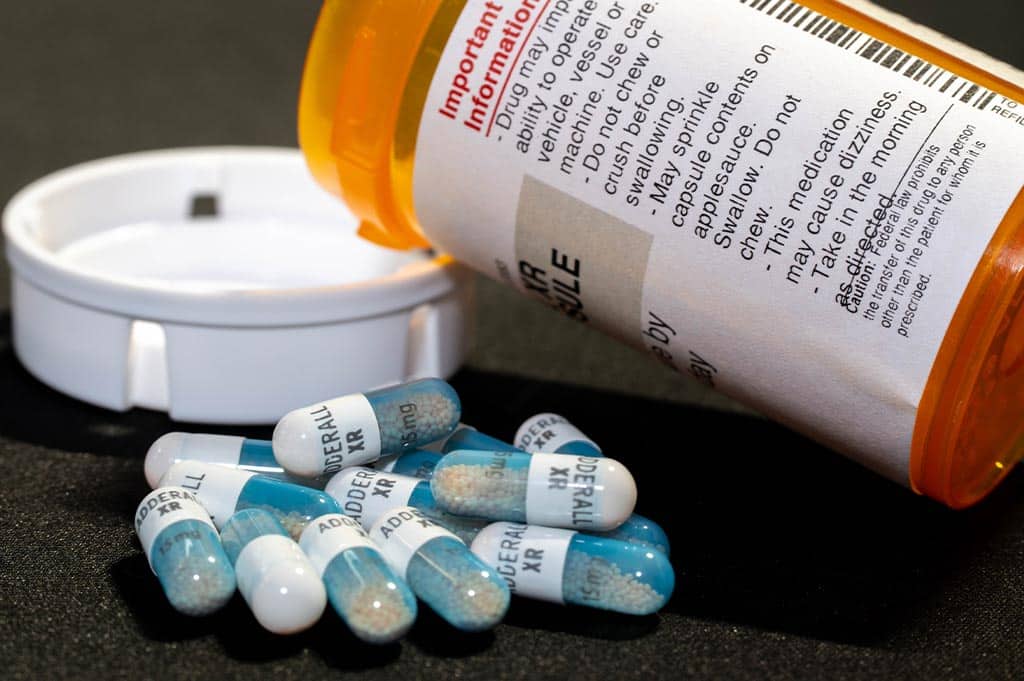
Adderall is a prescription stimulant used to treat ADHD and narcolepsy. When used correctly, it can help people focus and stay alert. But when someone takes Adderall for a long time or in high doses, their body can become dependent. Quitting suddenly can lead to uncomfortable and sometimes severe Adderall withdrawal symptoms.
At Rockland Recovery in Braintree, MA, we know that coming off Adderall isn’t easy. If you or someone you love is considering quitting Adderall, it’s important to understand what to expect. With the right support, you can safely manage withdrawal and start your recovery journey.
What Is Adderall Withdrawal?
Adderall withdrawal occurs when someone stops taking Adderall after using it regularly. Because Adderall is a stimulant, it affects the brain’s levels of dopamine, a chemical that controls mood, energy, and focus. When you stop taking the drug, your brain needs time to adjust.
Withdrawal symptoms can range from mild to severe, depending on how long and how much you’ve been using. This process is similar to other types of stimulant withdrawal, like quitting cocaine or methamphetamine.
Common Adderall Withdrawal Symptoms
When you stop using Adderall, your body and brain may react in different ways:
- Extreme fatigue: You may feel tired or sleepy, even after resting.
- Depression and mood swings: Feelings of sadness, anxiety, or hopelessness are common.
- Trouble focusing: Many people feel mentally foggy or confused.
- Increased appetite: Adderall can reduce hunger, so quitting may lead to sudden cravings.
- Drowsiness and sedation: You might feel slowed down or unmotivated.
- Irritability: Feeling annoyed or angry without a clear reason is common.
- Rebound anxiety: If you used Adderall to manage anxiety, quitting can make it return or worsen.
- Sleep problems: You may struggle with insomnia or sleep too much.
- Cravings: The urge to take Adderall again can be powerful.
These symptoms are part of what people often call the Adderall crash, a sudden drop in energy and mood after the effects wear off.
How Long Do Adderall Withdrawal Symptoms Last?
The timeline for withdrawal can vary from person to person. A lot of the timeline depends on things like how long you used Adderall, the dose you were taking, whether you were using other substances, as well as your overall health and stress levels.
Adderall Withdrawal Timeline
| Timeframe | What to expect |
|---|---|
| First 24 to 72 hours | Acute crash phase. Strong fatigue, depression, and cravings. Low motivation. |
| First week | Sleep problems, mood swings, anxiety. Headaches and increased appetite may appear. |
| Week 2 to 4 | Physical symptoms begin to fade. Emotional symptoms may linger, such as anxiety. |
| One month and beyond | Some emotional symptoms may persist. Therapy and support can help long term. |
Everyone’s experience is different, so don’t be discouraged if your symptoms last longer. What’s most important is finding the right help.
What Makes Adderall Withdrawal Dangerous?
Although Adderall withdrawal isn’t usually life-threatening on its own, it can still be risky. The emotional and mental symptoms, like depression or suicidal thoughts, can be very serious.
People who try to quit without help may also turn to other substances like benzodiazepines or alcohol to feel better. But this can be dangerous, especially since combining substances can lead to respiratory depression or overdose.
Tips for Managing Adderall Withdrawal
The safest way to stop taking Adderall is to do it with medical supervision. This process will be different for everyone, but there are a few common threads that can ensure a safer method.
Here are a few steps that can help make the process easier:
- Tapering slowly: A doctor may suggest lowering your dose over time instead of quitting immediately. This helps reduce withdrawal symptoms.
- Getting enough rest: Sleep is essential for healing your brain and body.
- Eating balanced meals: Healthy food supports your energy levels and mood.
- Staying hydrated: Drink water to help your body flush out toxins.
- Avoiding other drugs or alcohol: These can make withdrawal worse and slow your recovery.
- Talking to someone: Counseling or group therapy can help you stay on track.
At Rockland Recovery, we offer support and resources for people going through Adderall withdrawal. Whether you’re just starting or have tried to quit, you don’t have to do it alone.
When to Get Professional Help
If you’re feeling overwhelmed, hopeless, or tempted to return to Adderall, it’s time to reach out for help. You may need extra support if you’re having thoughts of hurting yourself, using other drugs or alcohol to cope, struggling to sleep or eat, or finding it hard to function at school, work, or home. In these situations, treatment can make a big difference. Options like detox, outpatient care, or counseling can help.
Frequently Asked Questions About Adderall Withdrawal
How long does Adderall withdrawal last?
Adderall withdrawal usually begins within 24 hours of your last dose. The hardest stretch, often called the crash, comes in the first few days, with strong fatigue, low mood, and cravings. Physical symptoms tend to ease over one to two weeks, while emotional symptoms like anxiety and low mood can linger for a month or more.
What does Adderall withdrawal feel like?
Many people describe it as a crash. You may feel exhausted even after sleeping, foggy or unable to focus, irritable, low or anxious, and hungrier than usual, along with a strong urge to use again. The experience varies with your dose, how long you used Adderall, and your overall health.
Can you have withdrawal from Adderall?
Yes. When you take Adderall regularly, your brain adjusts to its effect on dopamine, the chemical tied to mood, energy, and focus. Stopping means your brain needs time to rebalance, and that adjustment period is withdrawal. It is a normal response to coming off a stimulant, not a sign of weakness.
Is Adderall withdrawal dangerous?
Adderall withdrawal is rarely life-threatening on its own, but it is not risk-free. The emotional symptoms, including depression and in some cases thoughts of self-harm, can be serious. Some people also turn to alcohol or other drugs to cope, which carries its own dangers. Support during this time matters.
What helps with Adderall withdrawal?
The safest approach is stopping with medical supervision, often through a gradual taper. Rest, balanced meals, and steady hydration support your recovery, and avoiding other drugs or alcohol keeps symptoms from getting worse. Counseling or group support helps with the low mood, anxiety, and cravings that self-care alone does not fully cover.
Take the First Step Toward Recovery from Adderall
Quitting Adderall is a brave and life-changing decision, and it’s okay to feel uncertain about what comes next. By understanding Adderall withdrawal symptoms and preparing for the journey ahead, you’re already taking a powerful first step.
With time, support, and the proper care, recovery is possible. Many people who stop using Adderall go on to live healthier, more balanced lives. You can too. At Rockland Recovery in Braintree, MA, we’re here to walk beside you every step of the way. If you or someone you love is struggling with stimulant withdrawal, reach out today. Let us help you safely and confidently begin your path to lasting recovery.
This article is for general education and is not medical advice. If you are considering stopping Adderall, talk with a licensed medical provider before making changes to your medication. If you are having thoughts of harming yourself, call or text 988 to reach the Suicide and Crisis Lifeline, or call 911 in an emergency.