



Over the past week, you may have seen headlines about the U.S. Drug Enforcement Administration moving to ban 7-OH. If you or someone you love has been using these products, that news can feel confusing or even alarming. My goal here is not to add to the noise. It is to give you clear, clinically grounded information so you can understand what is happening and know where to turn for support.
What Is 7-OH?
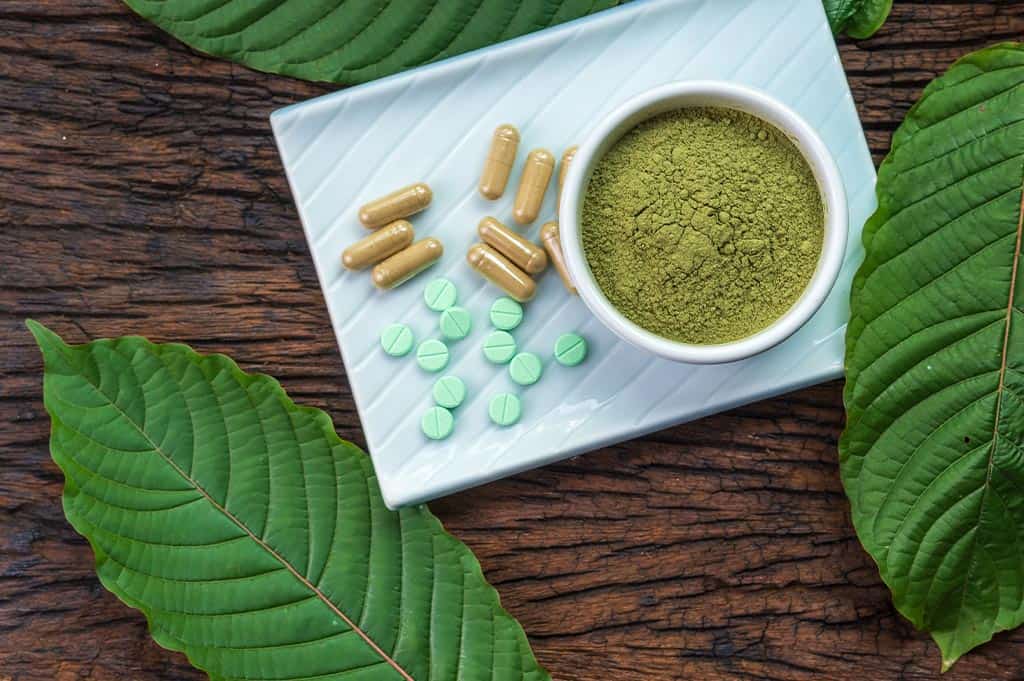
7-OH is short for 7-hydroxymitragynine, one of more than forty naturally occurring compounds found in the kratom plant. In the natural leaf, 7-OH appears only in trace amounts. The products drawing regulatory attention are different. They are concentrated or semi-synthetic, manufactured to contain far higher levels of 7-OH than anything found in nature.
That distinction matters clinically. 7-OH acts on the same opioid receptors in the brain as morphine, heroin, and prescription pain medications, and in its concentrated form it can be considerably more potent than the plant it comes from. These products are widely sold at gas stations, smoke shops, and online as tablets, gummies, powders, capsules, and liquid shots, often in flavors that taste more like candy than medicine.
How 7-OH Differs From Traditional Kratom
This is one of the most common points of confusion, so it is worth being precise. Traditional kratom is the whole botanical leaf and its primary compound is mitragynine, with only trace amounts of 7-OH.
The DEA’s action does not target the traditional kratom leaf. It targets concentrated and synthetic 7-OH products above a specific threshold. In plain terms, regulators are drawing a line between the natural plant and the high-potency, manufactured products that behave much more like an opioid. If you have heard that kratom itself is being banned, that is not quite accurate.
It is worth saying plainly, though that we know even traditional kratom has major risk factors. Because even the natural leaf acts directly on the opioid system, and regular use leads to tolerance, dependence, and withdrawal. The distinction here is about potency and legal scope, not a signal that one product is safe and the other is not.

Why the DEA Is Taking Action
On July 1, 2026, the DEA filed formal notices of intent to temporarily place concentrated 7-OH, along with three related synthetic compounds – mitragynine pseudoindoxyl (MP), MGM-15, and MGM-16 – into Schedule I of the Controlled Substances Act. Schedule I is the federal government’s most restrictive category, reserved for substances it considers to have a high potential for abuse and no currently accepted medical use.
The reasoning behind the action lines up with what we see clinically. Poison control centers and hospitals have reported a sharp rise in serious cases tied to concentrated 7-OH. Because these products act on the opioid system, regular use can lead to tolerance, physical dependence, and withdrawal. Regulators have also raised concern that candy-like, flavored formats can appeal to young people. The temporary scheduling is set to last two years, with a public comment period built into the process.
I want to be clear about one thing. This post is not about politics. It is about what these products do in the body, and what that means for the people using them.
What This Means for People Currently Using These Products
If you are using concentrated 7-OH or any of these related products right now, the most important thing to understand is that physical dependence is real, and it is not a matter of willpower. When a substance acts on your opioid receptors day after day, your body adapts. Stopping suddenly can bring on withdrawal, which may include anxiety, restlessness, nausea, body aches, and trouble sleeping.
Please do not read this news as a reason to stop abruptly and tough it out alone. For someone who has become dependent, quitting cold turkey can be genuinely miserable and, in some cases, unsafe. The safer path is to reach out to a clinician who can help you understand your options and, if needed, taper or transition with support. Dependence that developed over months does not have to be undone in a weekend.
When to Reach Out for Help
You do not need to reach a crisis point to deserve support. It may be time to talk with someone if you notice:
- Needing more of the product to get the same effect
- Feeling withdrawal symptoms when you stop or cut back
- Using more, or for longer, than you intended
- Spending significant time thinking about, buying, or using it
- Continuing to use even though it is causing problems
- Using mainly to avoid feeling sick
If any of this sounds familiar, it is not a verdict on your character. It is simply information, and a sign that a conversation with a professional could help.
At Rockland Recovery, our clinical team works with people every day who are navigating exactly these questions. Whether you are ready to make a change or simply want to understand your options, we are here, and reaching out is always confidential. Verify your insurance or call us to talk with someone today.