

Home | Addiction Treatment Programs | Alcohol Rehab in Massachusetts
Alcohol Rehab in Massachusetts
Alcohol use disorder affects your health, your relationships, and your sense of who you are. It also responds to treatment. At Rockland Recovery, our alcohol rehab in Massachusetts pairs evidence-based clinical care with the warmth of a recovery community that meets you where you are. Across our four South Shore locations, we offer day and evening programs, virtual and hybrid options, and a clear path from your first call to a life beyond alcohol.
Clinically reviewed by Bob Gallagher, LICSW, Clinical Director.
This page is a comprehensive guide to alcohol use disorder and to the alcohol rehab programs we offer at Rockland Recovery. It explains what alcohol addiction looks like, why it develops, how it affects your life, and what real, lasting recovery involves. It also walks through our programs in detail, the therapies and medications we use, the clinical team you will work with, and how insurance and admissions actually work.
If you are reading this for yourself, you are not alone in this and you do not have to figure it out by yourself. If you are reading it for someone you love, the questions you are carrying are exactly the ones we are here to help answer.
Understanding Alcohol Use Disorder
Alcohol use disorder, or AUD, is a medical condition recognized by the American Psychiatric Association and the National Institute on Alcohol Abuse and Alcoholism. It describes a pattern of alcohol use that a person can no longer control, even when it is causing real harm. AUD exists on a spectrum from mild to severe, and it can develop in anyone. The shame so many people carry about it is not warranted by the science. The neurobiology of alcohol dependence is well understood, and effective treatment is available.
Signs and Symptoms of Alcohol Addiction
One of the hardest parts of alcohol use disorder is recognizing it in yourself. Drinking often starts as something social, something that takes the edge off, something that helps you sleep. By the time it has become a problem, the lines between habit and dependence can be blurry from the inside.
Clinicians use eleven criteria from the DSM-5 to identify alcohol use disorder. Meeting two or three suggests a mild disorder, four or five suggests moderate, and six or more suggests severe. You do not need to meet all of them. Many of the people we work with see themselves in just a few.
Common signs include:
- Drinking more, or for longer, than you intended.
- Wanting to cut back or stop, and not being able to.
- Spending a lot of time drinking, or recovering from drinking.
- Strong cravings or urges to drink.
- Trouble keeping up at work, school, or home because of drinking.
- Continuing to drink even when it is causing problems with family, friends, or coworkers.
- Giving up activities you used to enjoy.
- Drinking in situations where it puts you in danger.
- Continuing to drink even though it is making a physical or mental health condition worse.
- Needing more alcohol to feel the same effect (tolerance).
- Experiencing withdrawal symptoms when you stop drinking.
Withdrawal is worth singling out because it can be medically dangerous. Symptoms can include shaking, sweating, nausea, anxiety, insomnia, racing heart, and in some cases seizures or delirium tremens. If you have been drinking heavily for a long time, stopping abruptly without medical support is not safe. This is one of the most important reasons that professional help matters early.
For a closer look at what early dependence looks like before it becomes severe, our blog post on the signs of alcohol dependency walks through patterns that many families miss.
What Causes Alcohol Addiction
Alcohol use disorder does not come from a single cause. It develops when several factors stack on top of each other, often over years. Understanding why this happens can take some of the self-blame out of the picture and clarify what treatment actually needs to address.
The main contributors are:
- Genetics. About half of the risk for alcohol use disorder is inherited. Having a parent or sibling with the disorder significantly raises your own risk, though it is not destiny.
- Mental health. Depression, anxiety, post-traumatic stress disorder, ADHD, and bipolar disorder all increase the risk of developing AUD, often because alcohol becomes a way to manage symptoms.
- Trauma. Childhood trauma, combat trauma, sexual trauma, and ongoing chronic stress are strongly associated with alcohol dependence. Many people start drinking as a way to quiet a nervous system that never feels safe.
- Environment. Heavy drinking norms at home, in friend groups, or in professional cultures shape how much, how often, and how early a person drinks.
- Brain chemistry. Repeated heavy drinking changes the brain’s reward and stress systems, which is why willpower alone often is not enough to stop.
None of this means alcohol use disorder is your fault. It also does not mean recovery is impossible. The same brain that learned dependence can learn new patterns, especially when the work is supported by therapy, medication when appropriate, and a community that understands what you are facing.
How Alcohol Addiction Affects Your Life
The effects of long-term alcohol use show up in places people do not always connect back to drinking. Naming them honestly is part of why people decide to start treatment.
Physical health. Heavy drinking damages the liver (fatty liver, hepatitis, cirrhosis), the heart (high blood pressure, cardiomyopathy, irregular heartbeat), the pancreas, and the gastrointestinal system. It is also a major risk factor for several cancers, including breast, mouth, throat, esophagus, liver, and colon. Sleep quality declines. Immune function declines. The body works harder to do basic things.
Mental health. Alcohol is a depressant, even if it feels like a stimulant in the short term. Anxiety, depression, panic, and suicidal thinking are all more common in people with alcohol use disorder. The relationship is bidirectional, which is why dual diagnosis treatment is often essential rather than optional.
Cognition. Memory, attention, decision-making, and emotional regulation all suffer with heavy drinking. The good news is that much of this is reversible. Cognitive function often improves significantly in the first three to six months of sobriety.
Relationships. Trust frays. Promises get broken. People who love you start to feel like they are walking on eggshells, or stop reaching out at all. Children growing up around heavy drinking carry the weight in ways they do not always know how to name.
Work and finances. Missed days, missed deadlines, slipping performance, lost jobs, and the steady drain of money spent on alcohol all add up. The financial cost is rarely the first thing people notice, but it is often one of the things that becomes hardest to ignore.
None of these effects are punishment. They are signals. They are also, importantly, reversible to a meaningful degree when you stop drinking and get the right support in place.
How Alcohol Rehab Works
Alcohol rehab is not a single event. It is a structured process designed to do three things in order: get you stable, give you the tools to live without alcohol, and help you build a life that does not require it. Each stage builds on the one before it.
Stabilization and detox coordination. If you have been drinking heavily, the first step is medical stabilization. Withdrawal from alcohol can be dangerous, and stopping safely usually requires medical supervision. Rockland Recovery does not provide detox in-house. Instead, we coordinate placement with a trusted network of nationally accredited detox partners across Massachusetts, handle the insurance verification and pre-authorization, and plan your transition into our care from day one. That way, your detox is not a dead end. It is the first step toward the rest of your treatment with us.
Active treatment. Once you are medically stable, the real work begins. Depending on your level of need, this happens in our Partial Hospitalization Program (PHP), our Intensive Outpatient Program (IOP), or our standard outpatient program. Treatment combines individual therapy, group therapy, family work, education about alcohol use disorder, and skill-building for the situations that have historically led to drinking. Medication may be part of the plan if it is clinically appropriate.
Step-down and aftercare. Recovery does not end when formal treatment ends. As you stabilize, you step down to lower levels of care, continue individual therapy, connect with peer support, and build the routines that make sobriety sustainable. We stay involved through alumni programming and ongoing access to our clinical team.
Why Professional Help Matters
People often try to stop drinking on their own first. Sometimes that works. Often it does not, and the question is why. The answer is usually some combination of three things: alcohol withdrawal is medically serious and difficult to manage alone; the underlying drivers of drinking (anxiety, depression, trauma, isolation) do not go away just because the drinking does; and the daily patterns of life have organized themselves around alcohol in ways that take real work to rebuild.
Professional rehab addresses all three. Medical oversight makes withdrawal safer. Evidence-based therapy treats what is underneath. Structure, community, and accountability give you something to lean on while your brain and body adjust. None of that is about willpower. It is about giving yourself a fair chance.
GET THE SUPPORT YOU NEED
At Rockland Recovery, we are committed to helping you overcome addiction and create a healthy life free from substance abuse.
Our Alcohol Rehab Programs in Massachusetts
No two people come to alcohol rehab with the same life. The program that fits a parent of three working a full-time job is not the program that fits someone in early recovery without housing stability. Rockland Recovery offers four distinct levels of care so that the structure of treatment matches the structure of your life. All programs are available in person at our Massachusetts locations, virtually, or in a hybrid format that combines both.
Days: Monday – Friday
Hours: 9:00 AM – 3:00 PM
Format: In-person · Virtual · Hybrid
Days: Monday – Friday
Hours: 9:00 AM – 12:00 PM
Format: In-person · Virtual · Hybrid
Days: Monday – Thursday
Hours: 6:00 PM – 9:00 PM
Format: In-person · Virtual · Hybrid
Schedule: Around your availability
Sessions: 1–2 per week typical
Format: In-person · Virtual
A few important things to know up front. Rockland Recovery is not an inpatient or residential treatment center. We provide the highest level of outpatient care available in Massachusetts, with daily clinical structure through PHP, but we do not house clients on site. We also do not provide medical detox in-house. For both, we coordinate placement with trusted partners and bring you back into our care for the rest of your treatment. That honest framing matters: it lets us focus on what we do exceptionally well, and connects you with the right level of care for the part of recovery you are in.
Partial Hospitalization Program (PHP) for Alcohol Use Disorder
PHP is the most intensive level of outpatient care we offer. Clients spend six hours a day, Monday through Friday, in structured clinical programming. That includes individual therapy, group therapy, medication management when appropriate, family work, education about alcohol use disorder, and skills training. Evenings and weekends are spent at home or in a sober living environment.
PHP is the right starting point for people who need close clinical contact early in recovery: people coming out of detox, people who have tried less intensive treatment without success, and people whose drinking has reached a point where the structure of daily care is what makes sobriety possible. Most clients spend two to four weeks in PHP before stepping down to IOP.
Intensive Outpatient Program (IOP) for Alcohol Use Disorder
Our day IOP runs Monday through Friday from 9:00 AM to noon. It is built for clients who need consistent clinical contact and structured therapy without the time commitment of PHP. Sessions focus on evidence-based therapies (cognitive behavioral therapy, dialectical behavior therapy, motivational interviewing), relapse prevention, and the daily skills that make life without alcohol workable.
For many clients, IOP is the next step after PHP. For others, it is the right starting point on its own. Either way, the goal is to keep clinical care robust while letting you reconnect with the parts of your life that should not be on hold.
Evening IOP for Working Adults and Parents
Our evening IOP runs Monday through Thursday from 6:00 PM to 9:00 PM. It exists because for many of the people we work with, daytime treatment is not realistic. You have a job that cannot pause. You have children who need a parent at home during the day. The question is not whether you want help. The question is whether help is built around your life.
Evening IOP is the same evidence-based programming as our day IOP, taught by the same clinicians, with the same outcomes expected. It happens to meet at a time of day that does not require you to choose between recovery and the responsibilities you have already committed to.
Virtual and Hybrid Care
Every program above is available virtually, in person, or in a hybrid mix of the two. Virtual care meets the same clinical standards as our in-person programming and is delivered through secure, HIPAA-compliant telehealth platforms by the same Rockland Recovery clinicians. Hybrid care lets you attend in person when it is useful and virtually when it is not, which has been especially valuable for clients balancing work travel, family caregiving, or transportation challenges.
Step-Down Outpatient and Aftercare
When you complete PHP or IOP, you do not graduate out of our care. You step down. Standard outpatient sessions, scheduled around your availability, keep you connected to your therapist and to the recovery community you have built. We also connect you with alumni programming, peer support, and local resources so that the support you have during treatment does not disappear when treatment ends. This step-down phase is one of the strongest predictors of long-term recovery, and we treat it that way.
Coordinated Alcohol Detox With Trusted Massachusetts Partners
If you have been drinking heavily for a long time, the safest place to start is a medically supervised detox. Rockland Recovery does not offer detox in-house, and we want you to know that up front. What we do offer is full coordination of that first step: we work with a trusted network of nationally accredited detox facilities in Massachusetts, handle the placement, manage insurance verification and pre-authorization, and plan your transition back into our PHP or IOP from day one. You are not handed off and forgotten. The detox provider knows we are waiting for you on the other side, and your clinical team here knows exactly where you are coming from.
If detox is the right starting point for you, our admissions team can typically arrange placement within 24 hours. Learn more about how we coordinate alcohol detox in Massachusetts, or call us to start the process.
Four Massachusetts Locations
Rockland Recovery operates clinical locations in Braintree, Quincy, Sharon, and Bedford. Our flagship Braintree location anchors the South Shore footprint. Quincy and Sharon serve the broader South Shore and Boston metro area. Bedford expands access for clients in the MetroWest and northwest suburbs. All four locations operate under the same clinical standards and offer the same evidence-based programming, with our virtual programs available statewide.
Evidence-Based Therapies and Medication-Assisted Treatment
The therapies and medications used in alcohol rehab are not interchangeable. Different approaches work for different people, and the best clinical outcomes come from matching the right tool to the right person at the right point in recovery. Our clinicians draw from a deep evidence base and tailor your treatment plan as you progress.
Cognitive Behavioral Therapy (CBT) for Alcohol Use Disorder
CBT is one of the most studied therapies for alcohol use disorder, and one of the most effective. It works by helping you identify the thoughts and beliefs that drive drinking (“I cannot relax without a drink,” “one beer will not hurt,” “I have already messed up today, so what is the point”), examine whether they hold up, and build new patterns of thinking and acting in the situations where alcohol used to be the answer. CBT is practical, present-focused, and skills-oriented. You leave sessions with something to try, not just something to think about.
Dialectical Behavior Therapy (DBT) Skills
DBT was developed for people who feel emotions intensely and have trouble regulating them. For many people with alcohol use disorder, that description fits. DBT teaches four core skill sets: mindfulness, distress tolerance, emotion regulation, and interpersonal effectiveness. The distress tolerance and emotion regulation skills in particular are often the difference between getting through a hard evening and reaching for a drink.
Motivational Interviewing (MI)
MI is the therapeutic stance our clinicians bring to early conversations, and it shapes how treatment unfolds. Rather than confronting or persuading, MI helps you talk through your own reasons for change, your own ambivalence, and your own goals. The research is clear that people are far more likely to follow through on changes they have articulated for themselves than on changes that have been pushed on them.
Group Therapy
Group therapy is not a lecture. It is a working environment where you practice the skills you are learning, hear yourself in other people’s stories, and start to dismantle the isolation that alcohol use disorder feeds on. Our groups are clinician-led, structured around evidence-based topics (relapse prevention, emotional regulation, healthy relationships, grief and loss), and small enough that every voice is part of the room.
Family Therapy
Alcohol use disorder does not happen in isolation, and recovery does not either. Family therapy gives the people closest to you a chance to be heard, to ask questions they may have been carrying for years, and to learn how to support recovery without taking it over. For many of the families we work with, this is the part of treatment that surprises them the most.
Holistic and Adjunctive Approaches
Alongside the core therapies, we incorporate practices that support whole-person recovery: mindfulness, breathwork, movement, nutrition guidance, and sleep hygiene. None of these replace clinical treatment. They reinforce it. The body and mind that have been managing alcohol use for years often need help re-learning how to be still, how to rest, and how to feel okay without a chemical assist.
Medication-Assisted Treatment (MAT) for Alcohol Use Disorder
For some people, medication is an important part of recovery from alcohol use disorder. The medications below are FDA-approved, well-studied, and used as a complement to therapy, never as a replacement. Our clinicians will evaluate whether MAT is right for you and adjust as your needs change.
- Naltrexone reduces cravings and blunts the rewarding effects of alcohol. It is available as a daily oral medication or as a monthly injection (Vivitrol). It does not cause withdrawal if you drink while taking it; it simply reduces the reinforcement that drinking provides, which often weakens the cycle over time.
- Acamprosate helps stabilize brain chemistry that has been disrupted by long-term heavy drinking. It tends to be most useful for people who have already stopped drinking and want to maintain abstinence, particularly in the first several months when cravings and protracted withdrawal symptoms can be intense.
- Disulfiram creates a strong physical reaction to alcohol consumption (nausea, flushing, rapid heartbeat). It works as a deterrent for people who want a clear, immediate consequence to fall back on when motivation wavers. It is not the right fit for everyone, and we use it selectively.
If MAT is part of your plan, our clinicians manage the prescription, monitor for side effects, and adjust dosage as needed. There is no separate referral, no appointment gap, no waiting for a different provider to call you back. It is one team.
Meet the Clinical Team Treating Alcohol Use Disorder
The clinicians who lead our alcohol rehab programs are licensed in Massachusetts, credentialed in addiction and mental health, and chosen as much for their warmth as for their training. The work they do is rigorous and evidence-based. The way they do it is human.

Corey Gamberg, LADC II
Executive Director
Corey leads Rockland Recovery’s clinical and operational direction across all four Massachusetts locations. A Licensed Alcohol and Drug Counselor II with deep experience in alcohol use disorder treatment, Corey shapes the culture of care that defines the program.
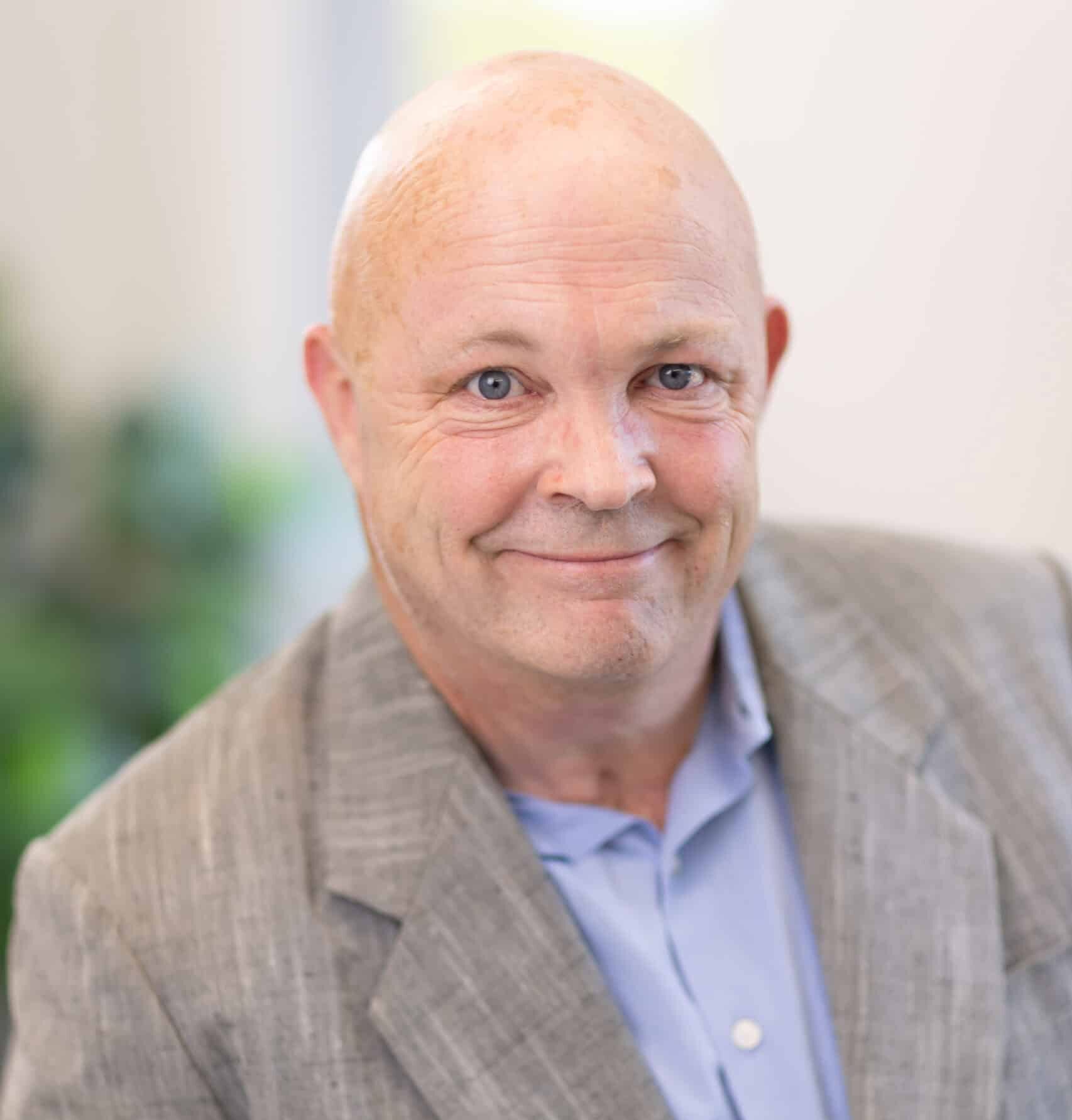
Bob Gallagher, LICSW
Clinical Director
Bob oversees the clinical program at Rockland Recovery as a Licensed Independent Clinical Social Worker. His work focuses on integrating evidence-based therapy, medication-assisted treatment, and family involvement into care plans that meet each client where they are.
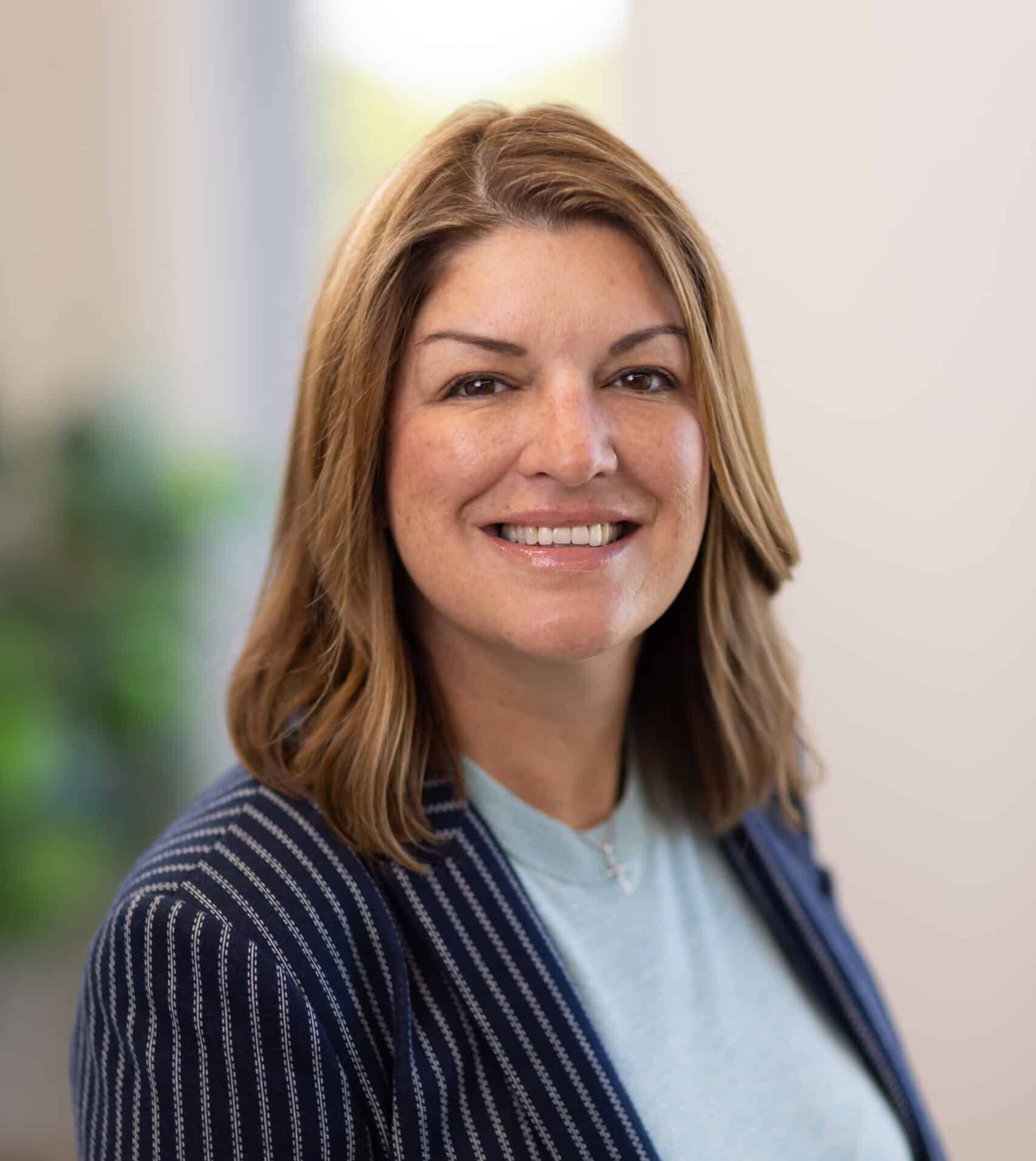
Nicole Wilkinson, LADC II
Primary Therapist
Nicole works directly with clients in our alcohol use disorder programs as a Licensed Alcohol and Drug Counselor II. Her clinical focus includes individual therapy, group facilitation, and the day-to-day work of helping clients translate insight into change.

Kerry Devereaux, LADC II
Primary Therapist
Kerry brings her work as a Licensed Alcohol and Drug Counselor II to our alcohol use disorder programs, supporting clients through both individual sessions and group therapy. Her approach is direct, compassionate, and rooted in the lived realities her clients are navigating.
You will be matched with a primary therapist during your intake assessment, and your treatment will be shaped by the broader clinical team as you move through PHP, IOP, or outpatient care. Continuity matters in this work, and we structure our programs so that the relationships you build with your clinicians carry through the levels of care.
Frequently Asked Questions About Alcohol Rehab
How long does alcohol rehab last?
Program length depends on your level of care and your individual progress. Most clients spend two to four weeks in our Partial Hospitalization Program if they start there, followed by six to twelve weeks in Intensive Outpatient. Step-down outpatient and aftercare can continue for months or years, depending on what supports your recovery. Length of stay is a clinical decision, not a fixed schedule.
Can I keep working while in alcohol rehab?
Yes, for many clients. Our Evening IOP runs Monday through Thursday from 6:00 PM to 9:00 PM, which fits around a full-time daytime job. Our virtual and hybrid options also let you attend treatment without losing time to a commute. PHP is more intensive and does require a temporary work pause for most people. Many employers offer protections for treatment under the Family and Medical Leave Act.
Do you offer medication for alcohol cravings?
Yes. When clinically appropriate, our clinicians prescribe FDA-approved medications including naltrexone (oral or monthly Vivitrol injection), acamprosate, and disulfiram. Medication is always used alongside therapy, never as a standalone treatment. Whether MAT is right for you is part of the conversation during your intake assessment.
Does Rockland Recovery provide alcohol detox?
We do not provide detox in-house. We do provide full detox coordination: we work with a trusted network of nationally accredited detox facilities in Massachusetts, handle the placement and insurance verification, and plan your transition back into our PHP or IOP from day one. The detox provider knows we are waiting on the other side, and your clinical team here knows exactly where you are coming from.
Do you treat alcohol use disorder alongside anxiety, depression, or trauma?
Yes. Our dual diagnosis program is built for the reality that alcohol use disorder rarely shows up alone. Anxiety, depression, post-traumatic stress disorder, ADHD, and bipolar disorder are all treatable alongside alcohol use disorder, and integrated treatment produces meaningfully better outcomes than treating either condition in isolation.
What insurance do you accept for alcohol rehab?
We accept most major commercial insurance plans, including Blue Cross Blue Shield, Aetna, Optum, United Healthcare, Tricare, and others. We do not currently accept MassHealth, though credentialing is in progress. If MassHealth is your primary coverage, our admissions team can refer you to providers who do accept it.
How quickly can I start treatment?
For most clients, same-day or next-day admission is realistic once we verify insurance and complete a brief intake assessment. If medical detox is needed first, we can typically coordinate placement within 24 hours. Call us and we will walk through the timeline for your specific situation.
What happens after I complete the alcohol rehab program?
Treatment does not stop at discharge. You step down to lower levels of care, continue with your therapist, and connect with our alumni community. The transition out of intensive treatment is one of the most important phases of recovery, and we treat it that way.
Is virtual alcohol rehab as effective as in-person treatment?
The research is clear that for outpatient levels of care, virtual treatment produces outcomes comparable to in-person treatment when the program is well-designed and clinician-led. Our virtual programming uses the same evidence-based therapies, the same clinical staff, and the same group structure as our in-person care. For many clients, the ability to attend from home is what makes treatment realistic at all.
What if a family member needs alcohol rehab but is not ready to ask for help?
This is one of the most common situations families bring to us. Our admissions team can talk through your specific situation, suggest approaches that have worked for other families, and connect you with family therapy or consultation resources. We do not pressure anyone into treatment. We do help families have clearer, more productive conversations with the person they love.
Have a question we did not cover? Contact our admissions team directly and we will answer it.
Dual Diagnosis and Whole-Person Recovery
Most of the people who come to us for alcohol rehab are not only dealing with alcohol. Anxiety, depression, trauma, ADHD, grief, sleep problems, and chronic stress all show up in our caseload, often as both causes and consequences of drinking. Treating them as separate problems, in separate places, by separate providers, rarely produces lasting change. Integrated care does.
Dual Diagnosis Treatment for Co-Occurring Mental Health Conditions
Our dual diagnosis program treats alcohol use disorder alongside the mental health conditions it commonly travels with: depression, anxiety disorders, post-traumatic stress disorder, ADHD, bipolar disorder, and others. Same team, same building, same treatment plan. That integration matters because the conditions feed each other in ways that are hard to interrupt when they are being treated separately. People drink to manage anxiety; the drinking makes the anxiety worse; the worsening anxiety drives more drinking. Breaking that loop requires treating both sides of it at the same time.
Life Skills and Relapse Prevention
Recovery is not just the absence of alcohol. It is the presence of a life that does not require alcohol to be tolerable. The skills work in our programs is built around that distinction. Clients learn to identify their personal relapse triggers (people, places, internal states, time of day) and to plan for them. They build new routines around sleep, nutrition, movement, and social connection. They practice the conversations that used to be easier with a drink. They develop the language to ask for help before a hard moment becomes a relapse.
Long-Term Recovery Support
Our alumni program keeps you connected to the community you build during treatment. That includes ongoing access to clinical resources, peer support, alumni events, and the option to step back up to a higher level of care if life circumstances change. Recovery is not a straight line, and we structure our long-term support to reflect that.
Insurance and Admissions for Alcohol Rehab in Massachusetts
Cost should not be the reason someone does not get treatment. Most people we work with use insurance to cover the majority of their care, often with little or no out-of-pocket cost depending on their plan. Our admissions team handles the insurance side from the first call, so you are not navigating it on your own.
Insurance Plans We Accept
Rockland Recovery is in-network with most major commercial insurance carriers, including:
- Blue Cross Blue Shield
- Aetna
- Optum
- United Healthcare
- Tricare
- Cigna
- Harvard Pilgrim
- Many others
We do not currently accept MassHealth. Credentialing is in progress, and if your primary coverage is MassHealth, our admissions team can refer you to providers in Massachusetts who do.
To verify your specific plan and benefits, the fastest path is to complete our insurance verification form or call us directly. Most verifications take less than 24 hours.
How Admissions Works
Calling for the first time is the part that takes the most courage. The actual process from that first call to your first session is simpler than most people expect.
- First conversation. An admissions specialist talks with you about what is happening, what you are looking for, and what level of care might be the right fit. There is no obligation and no pressure.
- Insurance verification. We verify your benefits and explain what is covered, what your out-of-pocket cost looks like, and what your options are if there are gaps.
- Clinical assessment. A brief intake assessment with a clinician confirms the level of care and shapes your initial treatment plan.
- Same-day or next-day admission. For most clients, you can start within 24 to 48 hours. If detox is needed first, we coordinate placement and your transition into our care.
Everything is confidential. We do not contact your employer, your family, or anyone else without your explicit permission.
Begin Your Alcohol Rehab in Massachusetts Today
Whatever has brought you to this page, you do not have to keep doing this alone. The first call is the hardest part of treatment, and once it is made, you have a team handling everything that comes next.
Our admissions specialists are available around the clock. They will answer your questions, verify your insurance, walk you through what to expect, and help you choose the program that fits your life. Same-day and next-day admissions are available across all four of our Massachusetts locations and through our virtual programming statewide.
You can call us at 855-732-4842, verify your insurance online, or send us a message if you would rather start in writing. Whichever feels easiest is the right way to start.
Recovery from alcohol use disorder is possible. The people who have walked through our doors have proved that thousands of times over. The next step is yours.
Contact Rockland Recovery Treatment Centers
At Rockland Recovery, we’re committed to providing compassionate and effective alcohol rehab services in Massachusetts. We understand that reaching out for help is a significant step, and our team is here to guide you through every stage of your journey toward recovery.






Search
Request a confidential call
"*" indicates required fields