



Yes—fentanyl can kill you with just 2-3 milligrams, the weight of a few grains of salt. This synthetic opioid is 50 to 100 times more potent than morphine and heroin, making it the leading cause of drug overdose deaths in the United States. In 2023 alone, fentanyl claimed 72,776 lives—approximately 199 deaths every day.
If you’re reading this because you’re worried about yourself or someone you love, please know that help is available, and recovery is possible. At Rockland Recovery, we’ve witnessed remarkable transformations, even for those who felt hopeless in the grip of fentanyl addiction. Call us today at 855.732.4842 to speak with someone who understands.
Why Fentanyl Is Exceptionally Lethal
Fentanyl’s deadliness begins with its chemical structure. Unlike heroin or prescription painkillers, fentanyl is a synthetic opioid engineered for maximum receptor binding. This means:
-
Faster onset: Fentanyl reaches your brain within seconds, crossing the blood-brain barrier with terrifying efficiency
-
Stronger binding: Once attached to opioid receptors, fentanyl clings tightly, requiring only microscopic amounts to overwhelm your body’s systems.
-
Harder to reverse: Standard overdose medications like naloxone (Narcan) struggle to displace fentanyl from receptors, making reversal more difficult.
-
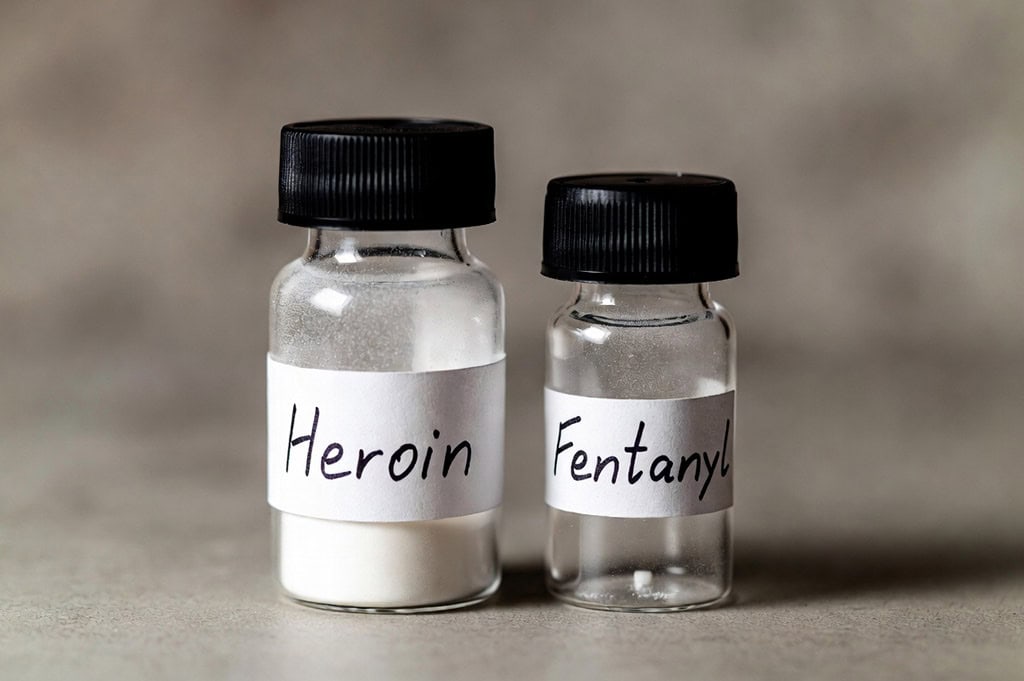
To visualize the danger: while 30 milligrams of heroin can be fatal, just 3 milligrams of fentanyl can kill an average adult. Some fentanyl analogs, like carfentanil, are 10,000 times more potent than morphine, so dangerous that even handling them without protection can be hazardous.
How Fentanyl Kills – The Breathing Crisis
Fentanyl doesn’t just make you sleepy—it stops you from breathing. The drug binds to opioid receptors in your brain’s respiratory control centers, shutting down the neural networks that coordinate breathing. Within minutes, this causes:
-
Loss of respiratory drive—your brain simply forgets to tell your lungs to breathe
-
Shallow, weak breaths that don’t bring enough oxygen into your bloodstream
-
Chest wall rigidity—involuntary muscle contractions that physically prevent breathing
-
Brain oxygen deprivation—irreversible brain damage begins within 4-6 minutes without oxygen
What makes fentanyl uniquely dangerous is how rapidly this progression occurs. With heroin, users might have 20-30 minutes before respiratory failure becomes critical. With fentanyl, respiratory depression peaks within 3-5 minutes, happening so fast that your body’s natural survival reflexes can’t activate.
When Fentanyl Kills Without Warning
Perhaps most terrifying is that many fentanyl deaths occur in people who didn’t even know they were using it. Illicit drug suppliers mix fentanyl into other substances to increase potency cheaply, creating a deadly lottery for unsuspecting users.
What Drugs Are Laced With Fentanyl?
-
Heroin: By 2023, 50% of heroin samples contained fentanyl—up from nearly 0% in 2013
-
Cocaine: Fentanyl contamination in cocaine rose dramatically, detected in 4% of samples by 2023
-
Methamphetamine: Approximately 1% of meth samples now contain fentanyl
-
Counterfeit prescription pills: Fake Xanax, OxyContin, Adderall, and Ritalin tablets increasingly contain fentanyl
Fentanyl is odorless, tasteless, and invisible. You cannot detect it by sight, smell, or taste. Someone buying what they believe is their usual dose of heroin may actually be consuming a substance 15 times more potent than their body has zero tolerance for.
The Xylazine Factor – A New Layer of Danger
A veterinary tranquilizer called xylazine is increasingly mixed with fentanyl, creating an even more lethal combination. In 2023, xylazine appeared in 8.1% of fentanyl samples nationwide, with some states seeing rates as high as 74.7%.
Xylazine compounds the danger because:
-
Naloxone doesn’t work on it—standard overdose reversal medications cannot counteract xylazine’s effects
-
Severe withdrawal symptoms that complicate recovery
-
Extreme sedation makes overdose recognition more difficult
Who Is Dying from Fentanyl?
The fentanyl crisis has touched every demographic, but some groups are particularly affected:
Fentanyl Deaths By Age
-
Ages 35-44: The hardest-hit group, accounting for 28% of all fentanyl deaths in 2023
-
Ages 25-44 combined: Over half of all fentanyl deaths occur in this age range of young adults and millennials
-
Teenagers: Overdose deaths among adolescents have risen despite stable illicit drug use rates, likely due to counterfeit anxiety and ADHD medications laced with fentanyl
Fentanyl Deaths By Geography
-
Highest rates: West Virginia (69.2 deaths per 100,000), Delaware (44.6), Washington D.C. (50.5)
-
Lowest rates: Nebraska (3.3 per 100,000)
-
Largest absolute numbers: California (7,203 deaths), New York (4,936), Florida (4,593)
Fentanyl Deaths By Substance Use History
You don’t need to be a long-term opioid user to die from fentanyl. First-time users, people with years of sobriety who relapse, and those using other drugs recreationally are all at risk. The contamination crisis means any illicit drug purchase could be fatal.
Fentanyl Addiction – Why People Can’t Just Stop
If fentanyl is so deadly, why do people keep using it? The answer lies in fentanyl’s exceptional addictive potential. Recent neuroscience research reveals that fentanyl addiction involves two distinct brain circuits:
The Reward Circuit
Fentanyl triggers an intense dopamine release, creating powerful euphoria that rewires the brain’s reward pathways. This creates psychological dependence—your brain learns to crave fentanyl to feel normal.
The Withdrawal Avoidance Cycle
Fentanyl causes severe physical dependence. When you stop using, agonizing withdrawal symptoms begin:
-
Intense anxiety and panic
-
Severe muscle and bone pain
-
Insomnia and restlessness
-
Cold sweats and chills
-
Nausea, vomiting, and diarrhea
-
Overwhelming drug cravings
Approximately 25% of people who use fentanyl develop opioid use disorder. The body adapts so quickly that users need larger doses just to feel normal, while simultaneously increasing their overdose risk.
The Tolerance Paradox
Here’s the cruel irony: tolerance doesn’t mean safety. Even someone who uses opioids daily can die from fentanyl because:
-
Tolerance varies based on genetics, body composition, lung function, and other factors
-
Each batch of fentanyl has inconsistent potency
-
The margin between “enough to feel high” and “enough to kill” is razor-thin
Recognizing Fentanyl Overdose and Saving Lives
If someone is experiencing a fentanyl overdose, these symptoms appear rapidly:
-
Small, constricted “pinpoint” pupils
-
Falling asleep or losing consciousness
-
Slow, weak, or absent breathing
-
Choking or gurgling sounds
-
Limp body
-
Cold, clammy, or bluish skin
-
Blue lips or fingernails
What To Do Immediately
-
Call 911 immediately—Good Samaritan laws protect you from legal trouble
-
Administer naloxone (Narcan) if available—use it even if unsure, it’s safe
-
Try to keep the person awake and talking
-
Turn them on their side to prevent choking
-
Stay with them until paramedics arrive
Important: Fentanyl overdoses may require multiple doses of naloxone because fentanyl binds so tightly to receptors. Don’t assume one dose is enough.
Harm Reduction Strategies
-
Fentanyl test strips: Available free from harm reduction organizations—test every substance before use
-
Never use alone: Ensure someone is present who can call for help
-
Start small: If you must use, take a tiny test dose first
-
Carry naloxone: Keep it accessible and know how to use it
Hope and Recovery – There Is a Way Out
Reading about fentanyl’s lethality can feel overwhelming and hopeless. But recovery is possible, even from fentanyl addiction. At Rockland Recovery, we’ve helped hundreds of people reclaim their lives from substances they thought would kill them.
Why Quitting Alone Is Dangerous
Attempting to quit fentanyl “cold turkey” is not only emotionally challenging—it’s physically dangerous. Medical complications from withdrawal can include severe dehydration, heart problems, and seizures. Professional medical detox is essential for safety.
How Rockland Recovery Treats Fentanyl Addiction
Our comprehensive approach addresses fentanyl addiction on multiple levels:
1. Medication-Assisted Treatment (MAT)
We use FDA-approved medications to manage withdrawal and reduce cravings safely:
-
Buprenorphine (Suboxone): Partially activates opioid receptors to reduce withdrawal without full opioid effects
-
Methadone: Long-acting opioid that prevents withdrawal while you build recovery skills
-
Naltrexone: Blocks opioid receptors, preventing fentanyl from having any effect
MAT reduces fentanyl overdose risk by 50-70% and increases retention in treatment programs.
2. Depth Recovery Counseling
Our unique approach integrates evidence-based therapies with Jungian depth psychology, helping you understand the underlying wounds driving addiction. Through dreamwork, contemplative practices, and creative exploration, we help you develop a recovery identity that goes beyond simply “not using.”
3. Comprehensive Support System
Recovery doesn’t happen in isolation. Our programs include:
-
Individual and group therapy (CBT, DBT, trauma-informed care)
-
Family therapy to rebuild relationships damaged by addiction
-
Sober living homes providing structured, supportive environments
-
Alumni programs creating lifelong community connections
-
Virtual IOP options for those who need flexibility
4. Addressing Co-Occurring Disorders
Many people turn to fentanyl to self-medicate underlying anxiety, depression, PTSD, or trauma. Our dual-diagnosis treatment ensures these root causes are healed, not just suppressed.
The Transformation Is Real
One of our clients shared: “I came to Rockland Recovery thinking fentanyl would kill me before I could get clean. Six months later, I’m not just sober—I’m genuinely happy. The Depth Recovery work helped me understand why I was using in the first place, and the community here gave me the support I never had.”
You don’t have to be ready to quit forever; you just have to be willing to take one step. That phone call, that first appointment, that moment of saying “I need help.”
Take the First Step Today
Fentanyl is killing more Americans than any other drug. But you are not a statistic—you’re a person worthy of recovery, healing, and a meaningful life.
If you’re using fentanyl, worried about someone who is, or have relapsed after trying to quit, please reach out. At Rockland Recovery, we understand the courage it takes to ask for help, and we honor that courage with compassionate, comprehensive care.
Call us now at 855.732.4842 or contact us online. Our team is available 24/7 to answer your questions, verify insurance coverage, and help you take the first step toward reclaiming your life.
Recovery is possible. We’ve seen it happen. Let us help you make it your story.