
Effective Anxiety & Panic Disorder Treatment Without Putting Life on Hold
Outpatient anxiety and panic disorder care for adults in Massachusetts. Evidence-based therapy in PHP, IOP, and standard outpatient formats — with locations in Braintree, Quincy, Sharon, and Bedford. Same-day assessments. Most insurance accepted.

 Joint Commission
Accredited
Certified
Compliant
Licensed
Assessments
Anxiety & Panic Treatment That Adapts to Your Life
Anxiety doesn't wait for a convenient moment — and treatment shouldn't either. Our outpatient programs deliver hospital-level clinical care for anxiety, panic disorder, and related conditions while you continue working, parenting, and engaging with your life.
Personalized Treatment Plans
Your care plan is tailored to your specific anxiety symptoms, triggers, and goals — not a one-size-fits-all template.
Experienced Clinical Team
Massachusetts-licensed therapists, psychiatric providers, and case managers who specialize in anxiety and panic disorders.
Dual Diagnosis Specialty
If your anxiety co-occurs with substance use, depression, or trauma, we treat all conditions together — not in isolation.
Flexible Scheduling
Day and evening programming options so treatment fits around work, school, and family responsibilities.
Specialized Care Across the Anxiety Spectrum
From everyday worry that's become unmanageable to debilitating panic attacks, our clinicians have the training and experience to meet you where you are.
Generalized Anxiety Disorder
Persistent, excessive worry about everyday situations that's hard to control and interferes with daily life.
Panic Disorder
Recurrent unexpected panic attacks with persistent fear of having more — including agoraphobia and avoidance patterns.
Social Anxiety Disorder
Intense fear of social situations, judgment, or scrutiny that interferes with work, relationships, and daily activities.
Agoraphobia
Fear and avoidance of places or situations that might cause panic, feeling trapped, or feeling unable to escape.
Anxiety with Co-Occurring Substance Use
When anxiety and addiction occur together, both conditions are treated simultaneously by an integrated clinical team.
Specific Phobias
Persistent, excessive fear of specific objects, situations, or activities — addressed with proven exposure-based therapy.
Step Up or Step Down — Your Treatment Adjusts to You
Most clients begin in PHP or IOP based on their assessment, then move down through levels as they stabilize. The same clinical team supports you through every step.
PHP
Partial Hospitalization Program
Hospital-level structure without overnight stays. The most intensive outpatient option, ideal when symptoms are severe but inpatient isn't required.
IOP
Intensive Outpatient Program
Structured therapy with the schedule flexibility to keep working, parenting, or going to school. Available daytime and evening.
Outpatient
Standard Outpatient Care
Weekly individual therapy and medication management. The right fit for stable maintenance or step-down from a higher level of care.
Find out what your insurance covers — in minutes.
Free, confidential benefits verification with most major insurance carriers. No obligation.
Modalities Proven to Work for Anxiety & Panic
Every therapy below is delivered by licensed Massachusetts clinicians and chosen based on your individual treatment plan.
Cognitive Behavioral Therapy
The gold-standard treatment for anxiety — identify and reshape the thought patterns driving worry and panic.
Dialectical Behavior Therapy
Skills for emotional regulation, distress tolerance, and managing intense anxiety in the moment.
Exposure-Based Therapy
Systematically face anxiety triggers in a safe, structured way to reduce their power over your daily life.
Group Therapy
Clinician-led groups for shared experience, accountability, and skills practice with others.
Family & Support System Work
Optional sessions to rebuild communication and strengthen the people who support your recovery.
Mindfulness & Stress Reduction
Practical techniques for managing acute anxiety, panic onset, and the physical symptoms that come with both.
From First Call to First Day — Often Within 48 Hours
Call or Submit Form
Free, confidential conversation with our admissions team — usually answered within minutes.
Verify Insurance
We confirm your coverage and out-of-pocket costs, often the same day.
Clinical Assessment
A licensed clinician evaluates your needs and recommends the right level of care.
Begin Treatment
Start your program — often within 24-48 hours of your initial call.
Aftercare Support
Step down to lower levels of care, with continued clinical support throughout.
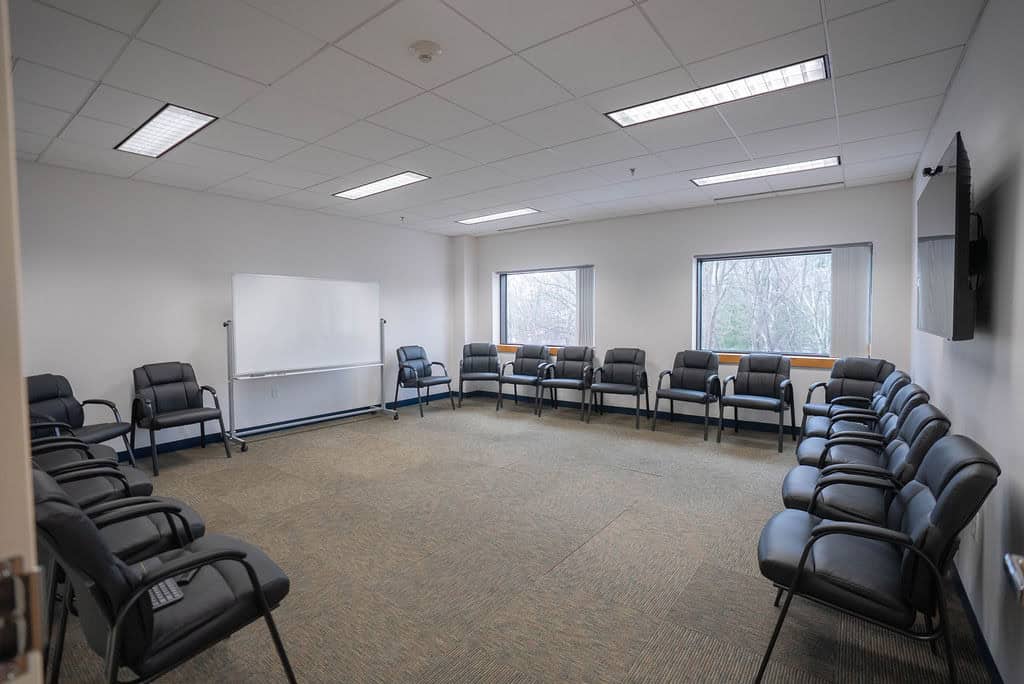
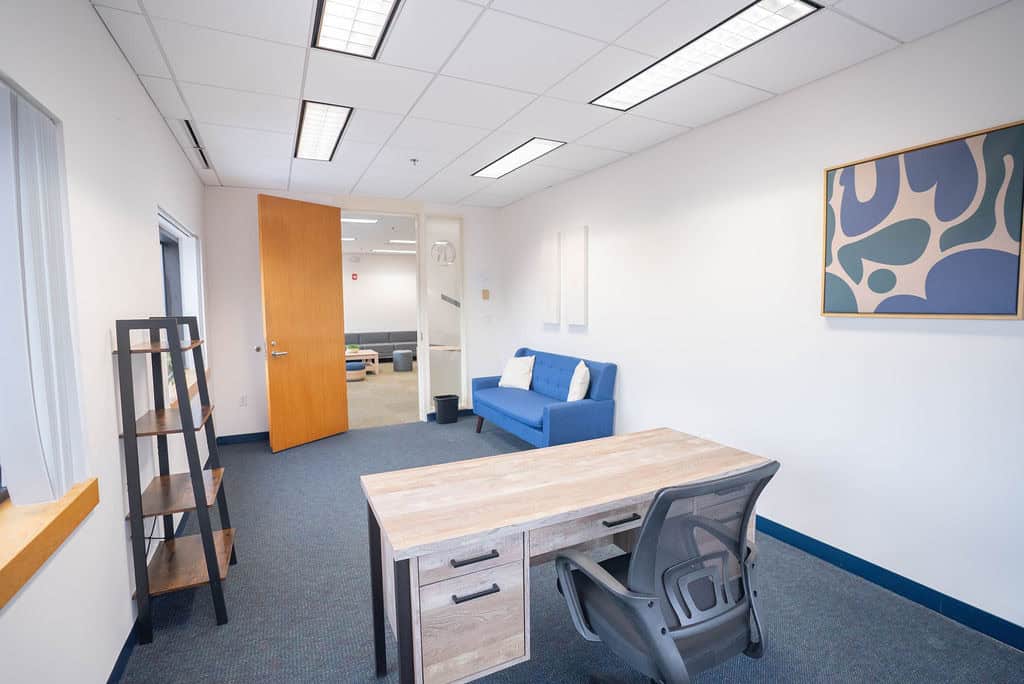
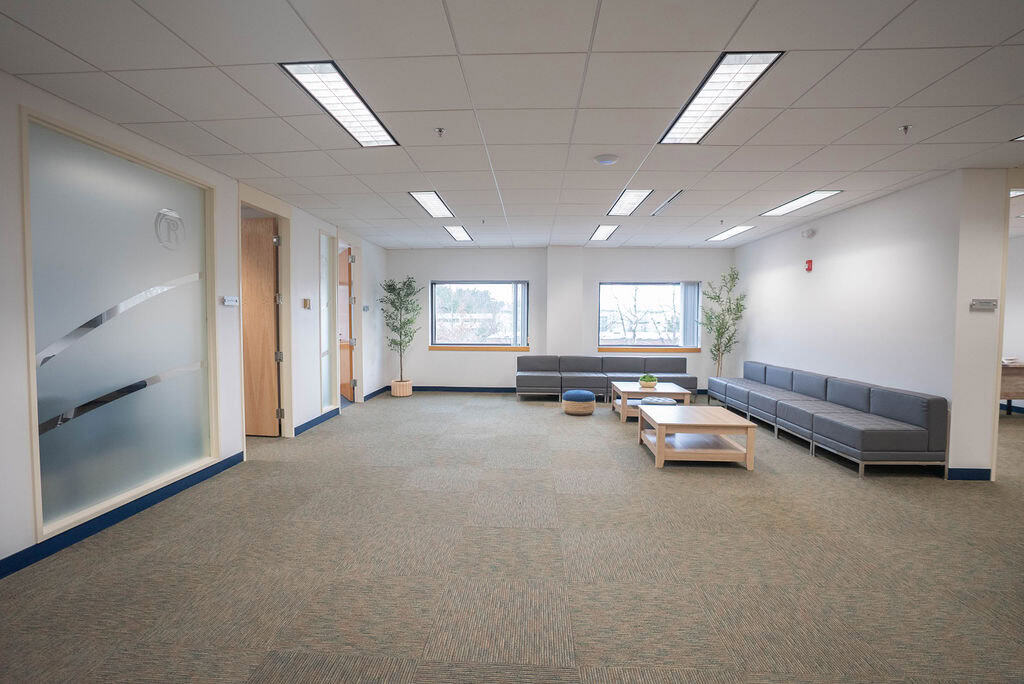
A Calm, Professional Space — Designed for Healing
Our Massachusetts outpatient facilities — in Braintree, Quincy, Sharon, and Bedford — are purpose-built for therapy. Private rooms, comfortable lounges, and group therapy spaces create the environment recovery deserves.

Most Major Insurance Plans Accepted
In-network with Massachusetts and national carriers. Free benefits verification — usually within an hour.








Massachusetts-Licensed Clinicians Who Specialize in Anxiety
Our team includes licensed mental health counselors, licensed clinical social workers, addiction specialists, and psychiatric medication providers — all working together on your individualized treatment plan.
Many of our clinicians have worked across PHP, IOP, and inpatient settings, giving them the clinical depth to recognize when anxiety symptoms need a different level of care and adjust accordingly.
What People Want to Know Before Starting
How do I know if my anxiety needs professional treatment?
If anxiety is interfering with work, relationships, sleep, or daily functioning — or if you're avoiding situations because of anxiety or panic — that's a sign treatment can help. Other signs: physical symptoms like chest tightness, racing heart, or shortness of breath that aren't explained by a medical condition; constant worry that's hard to control; or panic attacks that come out of nowhere.
You don't need to wait for anxiety to be "bad enough." Earlier intervention typically means faster, more lasting recovery.
Will my insurance cover this?
Most major insurance plans cover outpatient mental health treatment, including PHP and IOP. We're in-network with Blue Cross Blue Shield, Aetna, Cigna, United Healthcare, Beacon, AllWays, Unicare, MVP, Priority Health, CDPHP, and other major Massachusetts carriers. Call us or submit a verification form and we'll confirm your specific coverage and out-of-pocket costs — often within an hour.
What's the difference between anxiety and panic disorder?
Anxiety is a broader category — generalized worry, fear, or apprehension that can be persistent or situation-specific. Panic disorder is a specific anxiety condition characterized by sudden, intense panic attacks (often with physical symptoms like racing heart, shortness of breath, dizziness) AND ongoing fear of having more attacks.
Many people with panic disorder also develop agoraphobia — avoiding places where panic attacks have occurred. Both anxiety and panic disorder respond well to CBT, exposure-based therapy, and (when appropriate) medication. We treat both, often in the same client.
What's the difference between PHP and IOP?
PHP (Partial Hospitalization Program) is the most intensive outpatient option — typically 5 days per week, 6 hours per day. It's designed for clients whose anxiety or panic is severely impairing daily life and need hospital-level structure but don't require overnight stays.
IOP (Intensive Outpatient Program) is less time-intensive — typically 3 days per week, 3 hours per session — and it's the more common starting point for anxiety treatment. The clinical content is similar; the difference is the dose.
Your clinical assessment will recommend which level is appropriate. Many clients step down through PHP → IOP → standard outpatient as anxiety stabilizes.
Can I keep working or going to school while in treatment?
Yes. That's the central reason outpatient anxiety treatment exists. IOP and standard outpatient programs are specifically designed to fit around work, school, and family responsibilities. We offer day and evening programming options. PHP is more time-intensive but still allows you to return home each evening.
Many employers and schools accommodate treatment schedules under FMLA or similar policies — we can help you understand what protections apply.
What if I have addiction or substance use issues alongside anxiety?
Treating anxiety and substance use together — what's called "dual diagnosis" or "co-occurring disorders" treatment — is one of our specialties. Many people develop substance use as a way to self-medicate anxiety; treating either condition in isolation tends to be less effective.
Our clinical team includes licensed addiction counselors (LADC) alongside mental health clinicians, so your treatment plan addresses both anxiety and substance use as part of one integrated approach.
How quickly can I start?
For most clients, between calling us and starting treatment is 24-48 hours. Same-day clinical assessments are routine when scheduled in advance. The exact timeline depends on insurance verification and assessment scheduling.
Where is Rockland Recovery located?
We have outpatient facilities in Braintree, Quincy, Sharon, and Bedford, Massachusetts — accessible from Boston, the South Shore, MetroWest, and surrounding areas. We also offer virtual care options for clients who can't reach a facility in person. Call us to discuss your location and the right format for you.
Anxiety doesn't have to keep dictating your life.
Most adults living with anxiety or panic disorder try on their own for years before reaching out. The data is clear: clinically supported treatment works — and the sooner you start, the faster you can return to feeling like yourself.
Call us, or fill out the form. We'll listen, verify your insurance, and help you understand what your options look like. No commitment, no judgment.
Confidential Inquiry
Verify insurance, ask questions, or schedule an assessment. We'll respond within the hour during business hours.
"*" indicates required fields