
Kratom & 7-OH Addiction Treatment in Massachusetts
Medically supervised detox and structured treatment for adults with kratom or 7-OH dependence. Licensed clinical care in Braintree, Quincy, Sharon, and Bedford. Confidential assessment and a same-day insurance check.

 Joint Commission
Accredited
Certified
Compliant
Licensed
Insurance Check
Treatment Built Around How Kratom Dependence Actually Behaves
Kratom and 7-OH dependence does not look like a textbook case of any other substance, and it is frequently mishandled by programs that treat it as an afterthought. Rockland Recovery provides structured, evidence-based care for adults, delivered by a licensed clinical team that understands these withdrawal patterns specifically.
Medically Supervised Detox
Withdrawal is monitored and managed by clinical staff. You are assessed on arrival and cared for throughout, rather than left to wait it out.
Clinicians Who Know This Pattern
Our LADC and LMHC team treats kratom and 7-OH dependence directly — including people who were told their use "wasn't serious enough" elsewhere.
Care That Continues After Detox
Detox stabilizes you; it is not the whole plan. Residential, PHP, IOP, and outpatient care follow under the same clinical team.
Mental Health Treated Alongside
Anxiety, depression, and sleep problems are common in this group. Our dual diagnosis clinicians address them as part of the same plan.
Signs It May Be Time to Talk to a Clinician
Dependence does not look the same for everyone. Many adults describe a similar pattern — using just to feel normal, then feeling unwell when they try to stop. If several of these are familiar, an assessment is worth a phone call.
Daily Use to Feel Normal
What began as something occasional has become part of every day, and skipping it is no longer a real option.
Needing More Over Time
The amount that once worked no longer does — a hallmark of physical tolerance, and a clinical reason to seek support.
Feeling Unwell Without It
Restlessness, aches, sweating, or anxiety when you stop. These are withdrawal symptoms, and they are treatable.
Sleep, Mood, or Energy Declining
Poor sleep, low motivation, and flattened mood are among the most common reasons people finally reach out.
Tried to Stop and Couldn't
Unsupported attempts most often end when cravings peak. That is a predictable clinical pattern, not a failure of willpower.
Unsure If It's "Serious Enough"
This is the most common hesitation we hear. An assessment costs nothing and answers the question properly.
What Kratom and 7-OH Withdrawal Treatment Manages
Understanding the shape of withdrawal is usually what makes the decision to get help easier. Below is the pattern our clinical team manages day by day. Timelines vary between individuals, and your assessment establishes what to expect in your case.
First 12–24 Hours
Early symptoms begin — restlessness, runny nose, sweating, and difficulty sleeping. Clinical monitoring starts here.
Days 2–3
Symptoms typically peak: muscle and joint aches, stomach upset, irritability, and the strongest cravings. This is the stage supervised care exists for.
Days 4–7
Physical symptoms usually ease. Sleep and appetite begin to normalize, and clinical focus shifts toward what comes next.
Week Two Onward
Mood, energy, and sleep continue to settle. Cravings can persist, which is why continuing care rather than detox alone is the plan.
Withdrawal from kratom or 7-OH is rarely dangerous on its own — unlike alcohol or benzodiazepine withdrawal, which can be medically serious. What makes it hard is how uncomfortable it is and how reliably cravings end unsupported attempts. Medically supervised detox treats the symptoms and gives you a clinical team for the part that comes after.
Why Kratom and 7-OH Dependence Needs Clinical Treatment
Kratom contains compounds that act on the same receptors in the brain as opioids. 7-OH, short for 7-hydroxymitragynine, is one of them. With regular use the brain adapts: tolerance develops, dependence forms, and withdrawal symptoms appear when use stops.
That is a physiological process, not a matter of discipline — which is precisely why a clinical setting changes the outcome. Treatment manages the symptoms the adaptation produces, and addresses the anxiety, low mood, and sleep disruption that so often sit underneath the use in the first place.
Many people arrive having been told their use was not serious enough to treat. Our assessment answers that question properly, with a licensed clinician.
Detox Is the Start — Not the Whole Plan
Most adults with kratom or 7-OH dependence begin with medically supervised detox and step down through continuing care as they stabilize. The same clinical team supports you through each stage.
Medical Detox
Medically Supervised Withdrawal
Clinical monitoring and symptom management through the days when withdrawal peaks, in a licensed adult treatment setting.
Residential & PHP
Structured Daily Treatment
Full-day clinical programming once withdrawal is managed, for people who need structure and distance from old routines.
IOP & Outpatient
Continuing Care
Structured therapy with the schedule flexibility to keep working, parenting, or studying. Day and evening options.
Not sure where to start? Start with a phone call.
A confidential conversation with our admissions team, a same-day insurance check, and clear answers about your options. No pressure and no obligation.
What Happens When You Reach Out
You will speak with an admissions specialist who understands kratom and 7-OH dependence. There is no pressure at any stage — only information and support.
Confidential Conversation
A private discussion about your situation with someone who has heard it before. Nothing is shared without your consent.
Same-Day Insurance Check
We verify your benefits and explain your coverage and options clearly, usually the same day you call.
Clinical Assessment
A licensed clinician evaluates your history and needs, then recommends the appropriate level of care.
Begin Treatment
Your start date is arranged once the assessment and coverage are confirmed, and your care plan is set with your clinical team.
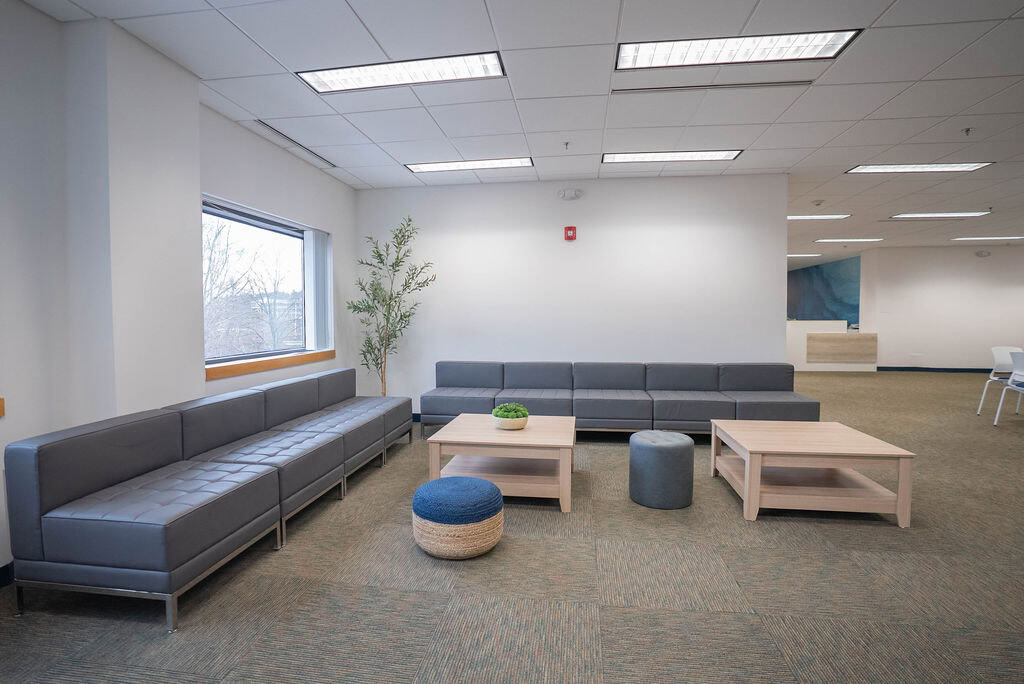
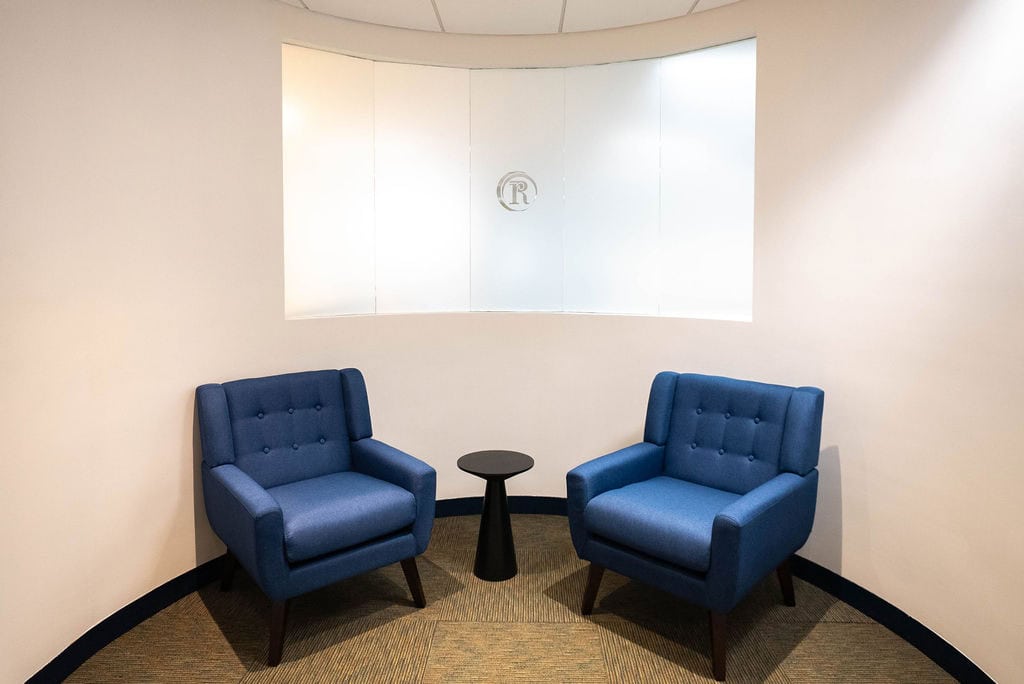
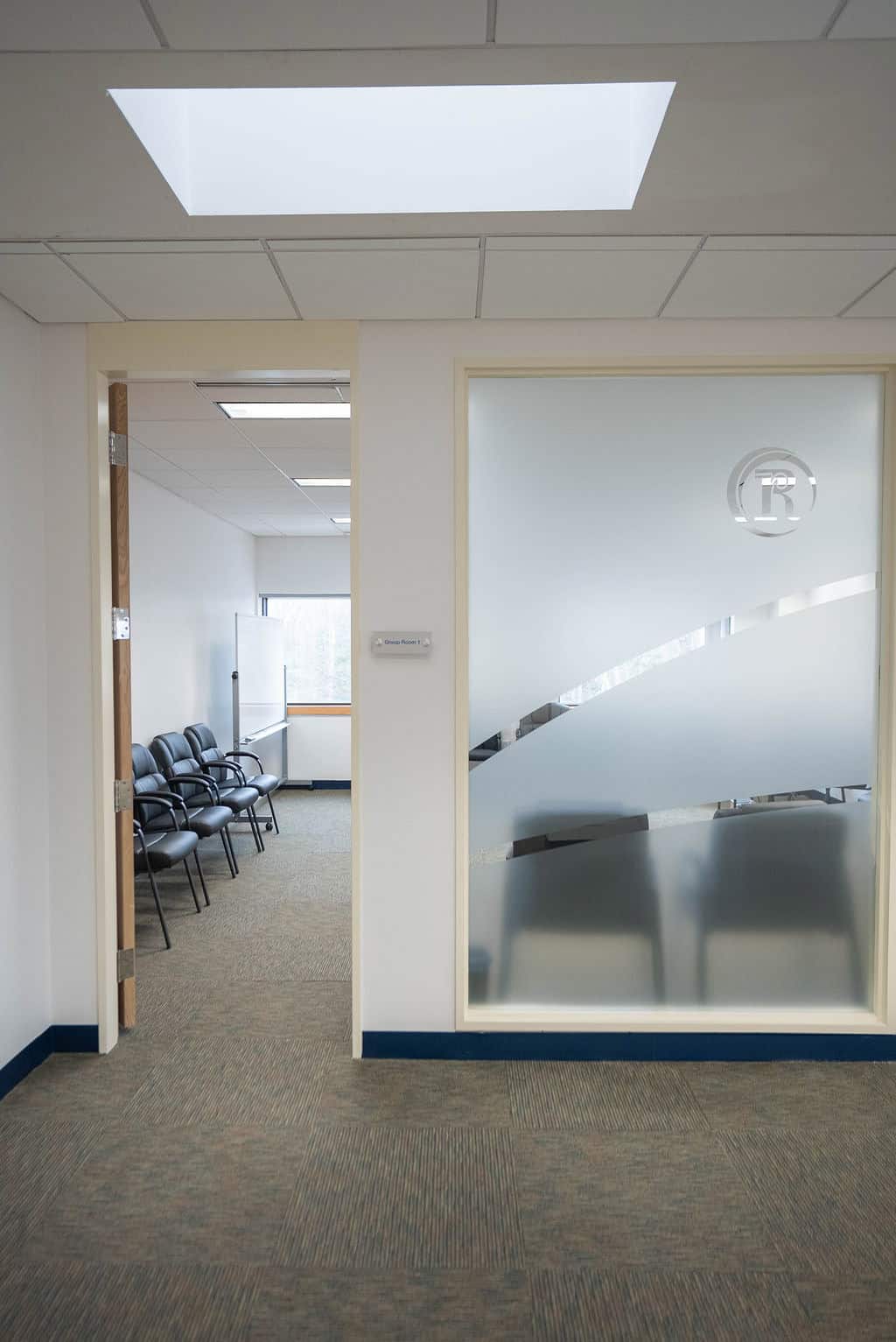
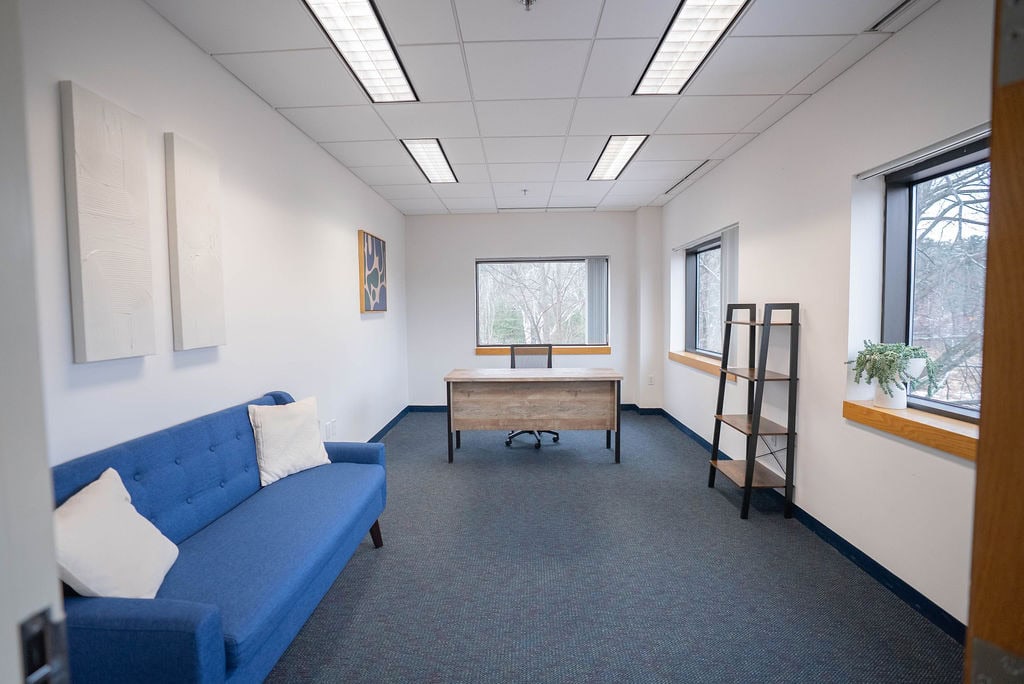
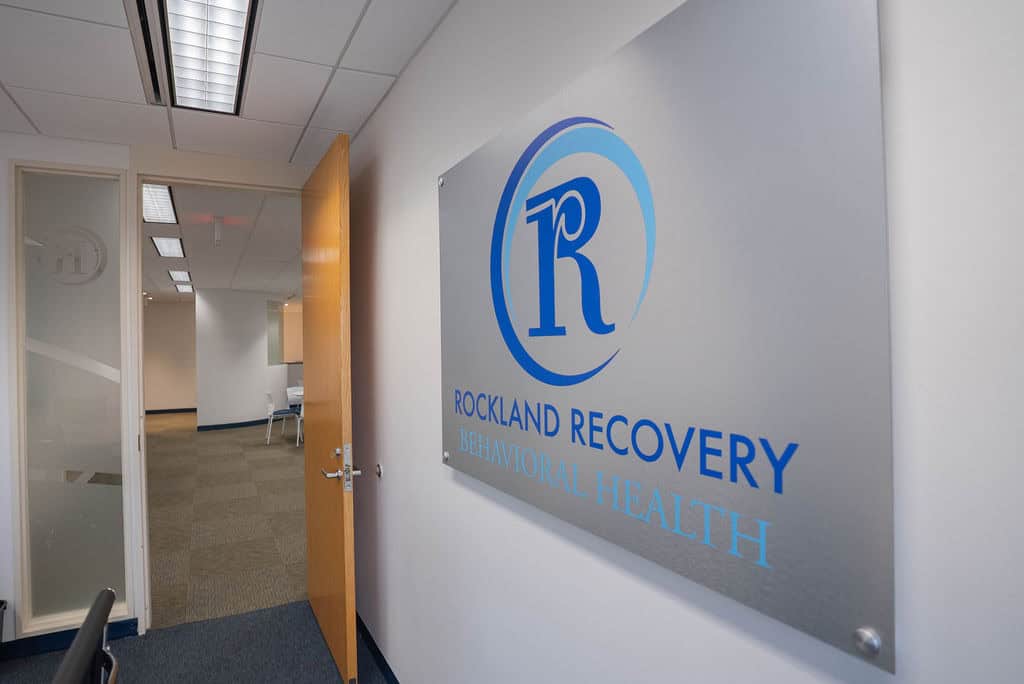
Inside Our Kratom Addiction Treatment Program
Treatment takes place in a calm, structured clinical environment designed to reduce stress while you stabilize. Our Massachusetts facilities are in Braintree, Quincy, Sharon, and Bedford, accessible from Boston, the South Shore, and MetroWest.
In-Network with Most Major Commercial Plans
We work with most major commercial insurance carriers in Massachusetts. Call or submit the form and we will verify your specific benefits and explain your coverage.


Kratom and 7-OH Treatment Questions
Is kratom dependence something treatment can help with?
Yes. Regular use can lead to physical dependence and withdrawal symptoms, and both are recognized clinical conditions that respond to structured treatment. Many people develop tolerance over time and find they cannot stop without support.
You do not need to have hit a crisis point to qualify for care. If use has become daily, or stopping makes you feel unwell, an assessment with a licensed clinician is appropriate.
What is 7-OH, and why does dependence form?
7-OH is short for 7-hydroxymitragynine, one of the compounds found in kratom. It acts on the same receptors in the brain as opioids, which is why the body adapts to regular use and why stopping produces withdrawal symptoms.
That adaptation is physiological. It is the reason a supervised clinical setting makes a meaningful difference compared with trying to stop unassisted.
Do I need medical detox before starting treatment?
Not everyone does. Some people benefit from supervised withdrawal support; others move directly into structured outpatient care. A clinical assessment determines whether medical monitoring is appropriate for you, and that assessment is the first step regardless.
How long does kratom and 7-OH withdrawal last?
Symptoms usually begin within 12 to 24 hours of the last dose, peak over roughly two to three days, and ease within about a week. Cravings and disrupted sleep can continue beyond that, which is why treatment continues past detox.
Timelines vary between individuals. Your assessment establishes what to expect in your case.
Can I detox from kratom or 7-OH at home?
We would not advise planning it that way. Unsupported attempts most commonly end when cravings peak on day two or three — not because of any lack of resolve, but because that is the hardest stretch and there is nothing in place to get through it.
A medically supervised detox manages the symptoms and connects you with a clinical team for what follows. If you are considering stopping, call and speak with a clinician first.
Will my insurance cover kratom addiction treatment?
Most major commercial insurance plans cover addiction treatment services, including care for kratom and 7-OH dependence. We are in-network with Blue Cross Blue Shield, Aetna, Cigna, United Healthcare, Beacon, AllWays, Unicare, Tufts, MVP, Priority Health, CDPHP, and other major Massachusetts commercial carriers.
Call us or submit the form and we will verify your specific benefits confidentially and explain what your coverage includes.
Is treatment confidential?
Yes. All inquiries and treatment records are confidential and protected under HIPAA and federal substance use privacy rules. Nothing is disclosed to an employer, family member, or anyone else without your written consent.
Where is Rockland Recovery located?
We have facilities in Braintree, Quincy, Sharon, and Bedford, Massachusetts — accessible from Boston, the South Shore, MetroWest, and surrounding areas. Virtual care options are available for continuing treatment. Call us to discuss your location and the right format for you.
If stopping has started to feel out of reach, that is a clinical problem with a clinical answer.
Most adults who reach out to us have already tried to stop on their own, more than once. That is the norm rather than the exception, and it is not the thing that decides how treatment goes.
Call us, or fill out the form. We will listen, check your insurance, and help you understand what your options look like. No commitment, no judgment.
Confidential Inquiry
Verify insurance, ask questions, or request an assessment. We respond within the hour during business hours.
"*" indicates required fields